
Your best sales hours are the ones when nobody’s in the office. An AI chatbot works those shifts — greeting night visitors, asking the qualifying questions, and booking meetings into a calendar that’s full by morning.
Best AI Chatbots for Lead Generation in 2026
AI chatbots for lead generation have quietly become one of the highest-ROI marketing investments a business can make. While most visitors arrive on a website during hours when no salesperson is available — evenings, weekends, holidays — an AI chatbot is always there to greet them, ask the right qualifying questions, and book a meeting directly into a sales rep’s calendar. This guide compares the leading lead-generation chatbot platforms on the dimensions that actually matter: qualification logic, meeting scheduling, CRM handoff, pricing structure, and data privacy — all based on published specifications, official pricing pages, and vendor documentation rather than hands-on product testing.
Before diving into specific platforms, one distinction matters enormously: lead-generation chatbots are not the same product category as customer-support chatbots. A support bot resolves existing customers’ problems. A lead-generation bot’s job is to turn anonymous traffic into booked conversations with your sales team. That difference drives every feature that follows.
What Makes a Chatbot Good at Lead Generation
The best AI chatbots for lead generation share a core set of capabilities that support bots simply do not prioritize. Understanding these features will help you evaluate any platform on your shortlist.
Conversational Lead Qualification
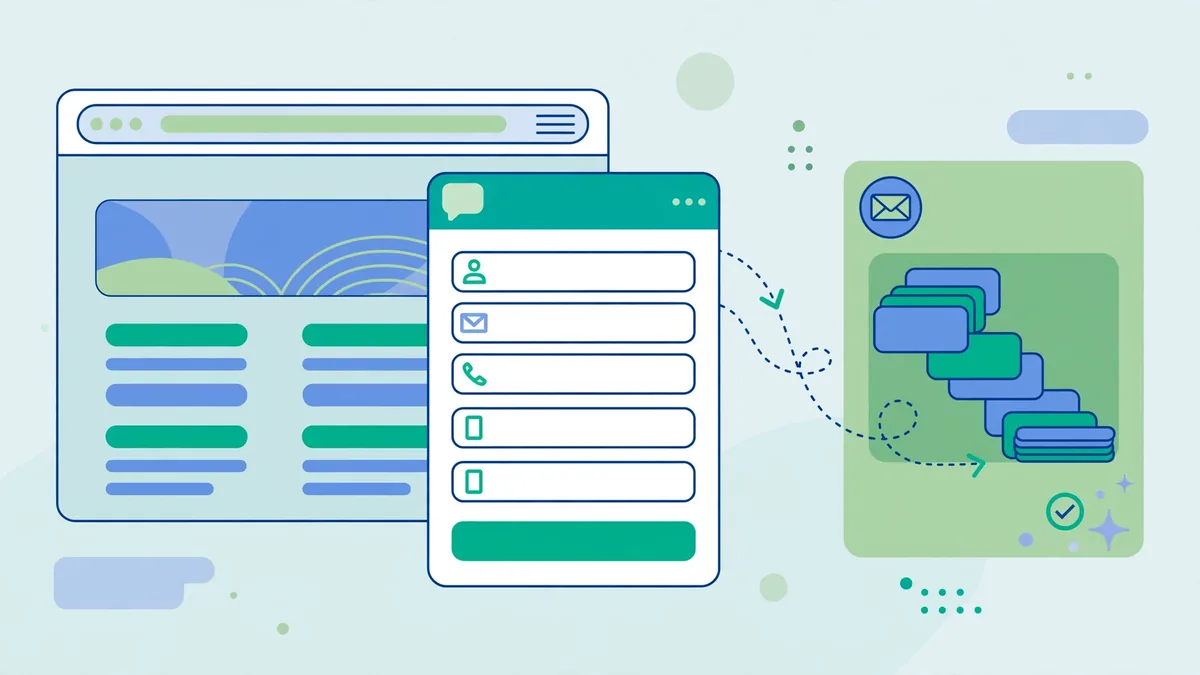
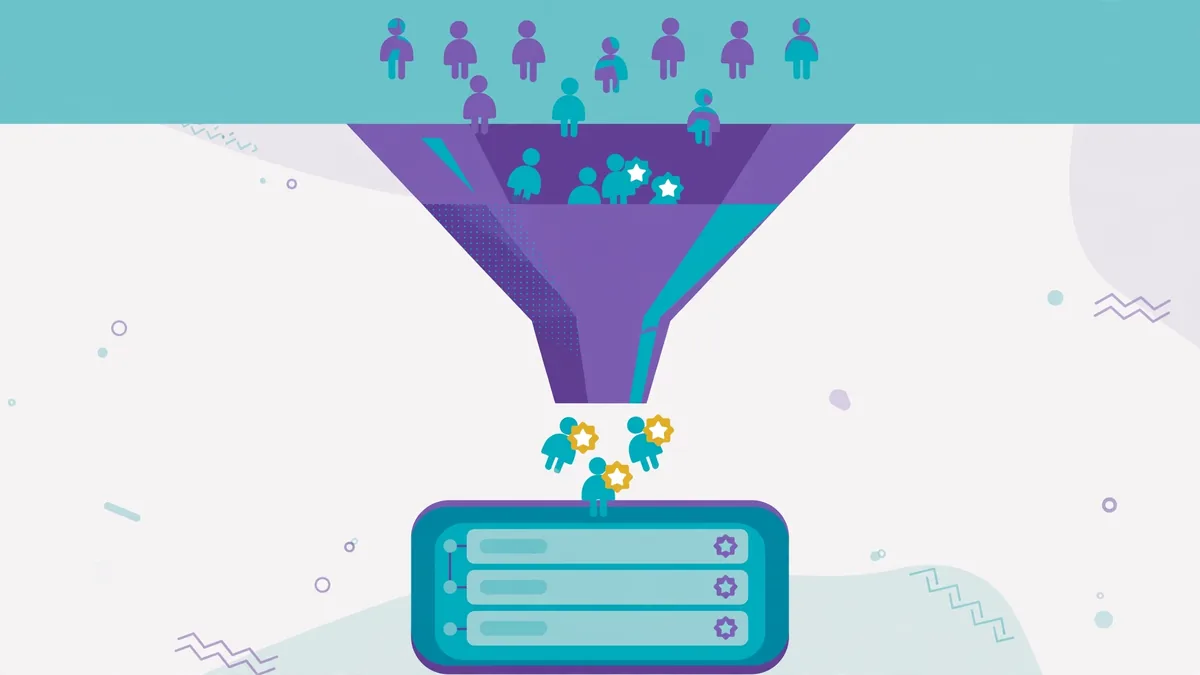
Instead of presenting a static form with ten fields (which most visitors abandon), a lead-generation chatbot asks qualifying questions in conversational order: What brings you here? What size is your company? What problem are you trying to solve? Good platforms let marketers build branching logic — if a visitor indicates they are a solo freelancer, the bot routes them to self-serve resources; if they signal enterprise budget and urgency, it escalates immediately.
Look for platforms that support:
- Branching conversation flows that adapt questions based on previous answers
- Lead scoring rules that assign points for answers like budget, timeline, and company size
- Disqualification paths that politely redirect poor-fit visitors instead of wasting sales time
- A/B testing of flows so you can optimize conversion over time
Native Meeting Booking
The single biggest reason lead-gen chatbots outperform forms is that they remove friction between “interested” and “meeting booked.” A chatbot that simply says “someone will contact you” loses momentum. The best platforms integrate with calendars — Google Calendar, Microsoft Outlook, and scheduling tools like Calendly or Chili Piper — so the bot can offer open time slots in the chat window and confirm the meeting immediately.
When evaluating scheduling capabilities, check whether the platform:
- Supports round-robin assignment across a sales team
- Respects working hours, time zones, and buffer times between meetings
- Sends automatic reminders and handles rescheduling without human involvement
- Syncs booked meetings back to the CRM with the full conversation transcript attached
CRM and Marketing Handoff
A chatbot that collects leads but leaves them in a separate silo creates more problems than it solves. Lead-generation chatbots need native, two-way integrations with the CRM — Salesforce, HubSpot, Pipedrive, and similar systems — so that:
- New contacts are created automatically with conversation history attached
- Lead source and campaign attribution are preserved
- Existing contacts are recognized and routed to their assigned rep
- Marketing automation platforms receive real-time triggers for nurture sequences
Platforms vary widely here. Some offer deep, field-level sync with dozens of CRMs; others rely on Zapier-style middleware. If your sales team lives in the CRM, prioritize native integrations.
AI vs. Rule-Based Conversation
Most “AI chatbots” on the market are hybrids. They use natural-language understanding to interpret free-text answers (so visitors can type “We’re a 50-person SaaS company” instead of clicking buttons), but the underlying qualification flow is still a designed conversation path. Fully generative bots — powered by large language models that answer from your website content — are emerging for top-of-funnel engagement, but for lead generation, controlled flows usually convert better because every answer maps to a qualification field.
The practical takeaway: do not overpay for generative AI magic when your goal is a predictable, measurable qualification process. Use AI where it removes friction — understanding free-text answers, summarizing conversations for reps — and use structured logic where you need reliable data capture.
Comparison of Leading AI Chatbots for Lead Generation
The platforms below are compared on published features, integration depth, pricing model, and best-fit use cases, drawn from vendor documentation and pricing pages as of 2026.
Drift (Salesloft)
Drift pioneered conversational marketing and remains the reference point for the category. Its platform centers on real-time website engagement with AI-powered qualification playbooks, automated meeting scheduling, and deep Salesforce integration.
- Strengths: Mature playbook library for common lead-gen scenarios, strong Salesforce and Marketo integrations, sophisticated routing and lead scoring.
- Considerations: Enterprise-grade pricing — published plans position Drift at the premium end of the market, and full value typically requires a dedicated admin or agency setup.
- Best for: Mid-market and enterprise B2B companies with meaningful inbound traffic and an established Salesforce-based sales process.
Intercom
Intercom combines a customer-messaging platform with its Fin AI agent and workflow-based qualification bots. Its strength is breadth: one platform can handle lead generation, onboarding, and support, with the CRM, help desk, and chat sharing one data model.
- Strengths: Unified inbox across channels, robust workflow builder, deep product-event data for qualification targeting (e.g., triggering chat based on user behavior).
- Considerations: Pricing is usage-based and can scale quickly with message volume — published pricing charges per seat plus per-resolution or per-conversation tiers that add up for high-traffic sites.
- Best for: SaaS companies that want one conversational platform spanning marketing, sales, and support.
HubSpot Conversations (Chatbot Builder)
For companies already running HubSpot CRM, the built-in chatbot builder is the path of least resistance. It offers qualification flows, meeting scheduling via the HubSpot meetings tool, and — critically — zero data-sync concerns because conversations, contacts, and deals live in the same database.
- Strengths: Native CRM integration with no middleware, free tier available on HubSpot’s free CRM, conversational data flows directly into lead scoring and workflows.
- Considerations: The builder is less flexible than dedicated platforms for complex branching and multi-channel deployment; advanced conversational AI features are tiered behind paid Marketing and Sales Hub plans.
- Best for: HubSpot-centric businesses, especially smaller teams that want lead capture running in days rather than months.
Qualified
Qualified positions itself specifically around B2B website lead generation with a “conversational ABM” angle: it identifies visiting companies (via reverse-IP and data enrichment), personalizes the greeting based on the account, and routes high-value visitors straight to the right rep — or even launches a sales rep into a live chat or video call.
- Strengths: Account-based targeting, Salesforce-native architecture, instant meeting booking with rep availability.
- Considerations: Premium pricing aimed squarely at B2B demand-generation teams; published materials emphasize enterprise positioning.
- Best for: B2B companies running account-based marketing that want their highest-value website visitors treated like VIPs.
Tidio
Tidio is a small-business-friendly platform combining live chat, AI chatbots (Lyro), and email marketing. Its AI agent answers from your help-center content, and its chatbot templates include lead-generation flows with qualification questions and contact capture.
- Strengths: Very accessible pricing with a free tier, quick setup, AI agent included on paid plans, multichannel (web chat, Instagram, Messenger).
- Considerations: Qualification logic and CRM integrations are lighter than enterprise platforms — best viewed as a strong starting point rather than a full demand-gen engine.
- Best for: Small businesses, e-commerce stores, and service companies that need an affordable chatbot collecting leads around the clock.
ManyChat
ManyChat focuses on Messenger, Instagram DM, WhatsApp, and SMS automation — the channels where many consumer and local-service businesses actually convert. Its lead-generation strength is capturing leads inside social conversations: comment-to-DM automations, keyword-triggered flows, and appointment booking inside the chat thread.
- Strengths: Dominant in social-messaging lead capture, visual flow builder, affordable tiered pricing, strong e-commerce integrations.
- Considerations: Not a website chatbot — it complements rather than replaces on-site lead capture; B2B CRM integrations are functional but not its core.
- Best for: Consumer brands, local services, and creators whose leads arrive through Instagram, Facebook, or WhatsApp.
Landbot
Landbot differentiates with a no-code, highly visual builder that produces polished conversational experiences — including WhatsApp campaigns and landing-page-style chat interfaces. Its lead-generation use case centers on interactive, form-replacing conversations with strong design control.
- Strengths: Beautiful no-code builder, WhatsApp Business API integration, good analytics on drop-off points within flows.
- Considerations: AI/NLU capabilities are more limited than conversation-first AI platforms; published pricing is per-conversation which can get expensive at scale.
- Best for: Marketing teams that want designer-quality conversational landing experiences without developer resources.
How to Choose: A Decision Framework
With so many options, selection paralysis is real. Work through these questions in order:
- Where do your leads actually come from? If most inbound leads arrive via your website, prioritize website-first platforms (Drift, Qualified, Intercom, HubSpot). If they come through Instagram DMs or WhatsApp, look at ManyChat or Landbot instead.
- Which CRM must it feed? Native integration with your CRM is non-negotiable. A chatbot whose leads require CSV exports or Zapier hacks will decay into a graveyard of unworked contacts.
- Who qualifies, and how complex is it? Simple qualification (name, email, company size) can run on almost any platform. Multi-dimensional scoring with account-based routing needs enterprise tooling.
- What is your traffic volume? Usage-based pricing punishes high traffic. Model your cost at 2–3x current chat volume, because a good chatbot increases conversations — that is the point.
- Who will maintain it? Conversation flows decay. Someone needs to review transcripts weekly, fix misunderstandings, and refresh qualification criteria quarterly. Budget the human time, not just the subscription.
Conversation Design: What Actually Converts
Platform choice matters less than conversation design. Research from conversational-marketing practitioners consistently points to the same principles:
- Lead with value, not interrogation. Open with a helpful offer — “Want me to check if this fits your team?” — before asking for an email address.
- Ask one question at a time. Multi-field forms inside chat windows defeat the purpose of conversation.
- Keep it short. Most high-converting lead-gen flows ask three to five questions, then offer the meeting. Every additional question measurably reduces completion.
- Make the AI fallback graceful. When the bot cannot understand an answer, it should offer buttons or ask the visitor to rephrase — not loop the same error message.
- Disclose that it is a bot. Visitors convert fine with chatbots, but transparency builds trust and is legally required in several US states for automated commercial messaging.
- Route fast on buying signals. If a visitor asks about pricing, implementation, or competitors, that is a hand-raise — offer a human or a meeting immediately rather than finishing the qualification script.
Measuring ROI
A lead-generation chatbot earns its keep through three measurable outcomes:
- Conversation-to-lead rate: the percentage of chatbot conversations that produce a qualified contact. Benchmark internally rather than chasing industry averages, which vary wildly by traffic source.
- Meetings booked: the number that actually reach a sales calendar — and, crucially, the show rate, since chatbot-booked meetings can no-show more often than human-booked ones if qualification is too loose.
- Pipeline attribution: revenue influenced by chatbot-sourced leads. Tag every chatbot lead with source and campaign data in the CRM so marketing can compare cost-per-qualified-lead against paid channels.
A simple ROI model: (additional qualified leads per month × average close rate × average deal value) minus (platform cost + maintenance time). Most businesses find the math compelling once meeting-booking replaces the “we’ll get back to you” form.
Common Pitfalls to Avoid
- Buying for support, deploying for leads. Make sure the platform you choose is optimized for pipeline generation, not ticket deflection — the feature sets only partially overlap.
- Over-qualifying. Ten questions may feel thorough; to the visitor it feels like an interrogation. Start with the minimum qualification your sales team needs, then add one criterion at a time.
- No human fallback. Pure automation fails on edge cases. Always offer a path to a human — live chat takeover, callback request, or at minimum a clear contact method.
- Ignoring mobile. The majority of chat conversations happen on phones. Test every flow on a small screen before launch.
- Set-and-forget. Review conversation transcripts monthly. Real visitor language drifts, product lines change, and bots quietly start misunderstanding new terminology.
Frequently Asked Questions About AI Chatbots for Lead Generation
How much do AI chatbots for lead generation cost?
Published pricing ranges from free tiers (HubSpot’s free CRM chatbot, Tidio’s free plan) to several hundred dollars per month for small-business platforms, up to thousands per month for enterprise conversational-marketing suites like Drift or Qualified. Usage-based pricing is common — cost scales with conversations, seats, or AI resolutions — so model pricing at your projected chat volume, not your current one.
Do chatbots really generate more leads than contact forms?
For many businesses, yes — conversational interfaces typically convert a higher percentage of engaged visitors than static forms because they ask fewer questions, respond in real time, and can book meetings instantly. The magnitude depends on traffic quality and flow design. Businesses should run the chatbot alongside existing forms initially and compare conversion rates on the same traffic before drawing conclusions.
What CRM integrations should I look for?
Prioritize a native, bidirectional integration with the CRM your sales team actually uses — Salesforce, HubSpot, Pipedrive, or similar. Key capabilities: automatic contact creation with conversation transcripts attached, lead-source attribution, recognition of existing contacts, and real-time triggering of marketing workflows. Middleware integrations (via Zapier or Make) work for simple use cases but add latency and failure points.
Are AI chatbots compliant with privacy regulations?
They can be, but compliance is your responsibility, not the vendor’s default. For US businesses, check whether the platform supports data-residency options, offers data-processing agreements, lets visitors request data deletion, and avoids training shared models on your conversation data. If you operate in California, CCPA/CPRA obligations around automated data collection apply. Enterprise platforms typically publish security documentation including SOC 2 reports — ask for them during evaluation.
Should the chatbot book meetings directly or just collect contact info?
Book meetings directly whenever possible. The conversion from “interested visitor” to “scheduled conversation” is highest in the moment of interest. Bots that only collect contact info create a follow-up gap where leads go cold. That said, loose qualification plus instant booking can flood calendars with no-shows — pair direct booking with basic qualification (company size, need, timeline) and automatic reminders.
Can a lead-generation chatbot work for B2B and B2C?
Yes, but the flows differ. B2B bots typically qualify on company attributes (size, industry, role) and book meetings with sales reps. B2C bots more often capture contact details for follow-up, offer quotes or estimates, or route to purchase. Platforms like Intercom, HubSpot, and Tidio serve both; account-based specialists like Qualified are B2B-focused, while ManyChat skews B2C and social.
For CRM integration patterns, HubSpot’s chatbot playbooks are a solid reference for connecting bots to your pipeline.
Keep exploring: If you found this guide to ai chatbots for lead generation useful, read How to Build a No-Code AI Chatbot for Your Website, AI for Sales Teams: Prospecting and Outreach in 2026, n8n vs Zapier: Best AI Automation Platform 2026 for more practical ways to use ai chatbots for lead generation.
How do AI chatbots for lead generation capture more leads?
AI chatbots for lead generation engage visitors instantly — answering questions and qualifying prospects 24/7 instead of losing them to a static form. Well-tuned AI chatbots for lead generation lift conversion 20–40% by striking while intent is hot, then routing hot leads to sales immediately.
What should AI chatbots for lead generation ask visitors?
Keep it to 3–4 qualifying questions: need, timeline, budget range, contact details. The best AI chatbots for lead generation feel conversational, not interrogative — let AI chatbots for lead generation branch based on answers rather than forcing everyone through the same script.
Do AI chatbots for lead generation work for B2B?
Yes — B2B is where AI chatbots for lead generation shine, qualifying enterprise visitors and booking meetings directly to calendars. B2B AI chatbots for lead generation should integrate with your CRM so every conversation enriches the contact record automatically.
Conclusion
The best AI chatbots for lead generation are not the ones with the most impressive demos — they are the ones that reliably turn your existing website traffic into qualified conversations with your sales team. Start by mapping where your leads come from and which CRM must receive them, then choose the platform whose qualification logic, meeting booking, and integration depth match that reality. Design short, value-led conversations, measure conversation-to-meeting rates honestly, and iterate on transcripts monthly. Done well, a lead-generation chatbot becomes your hardest-working salesperson: always available, instantly responsive, and compounding in value as every conversation makes the next one smarter.


Join the discussion
Have a question or a perspective to share?