
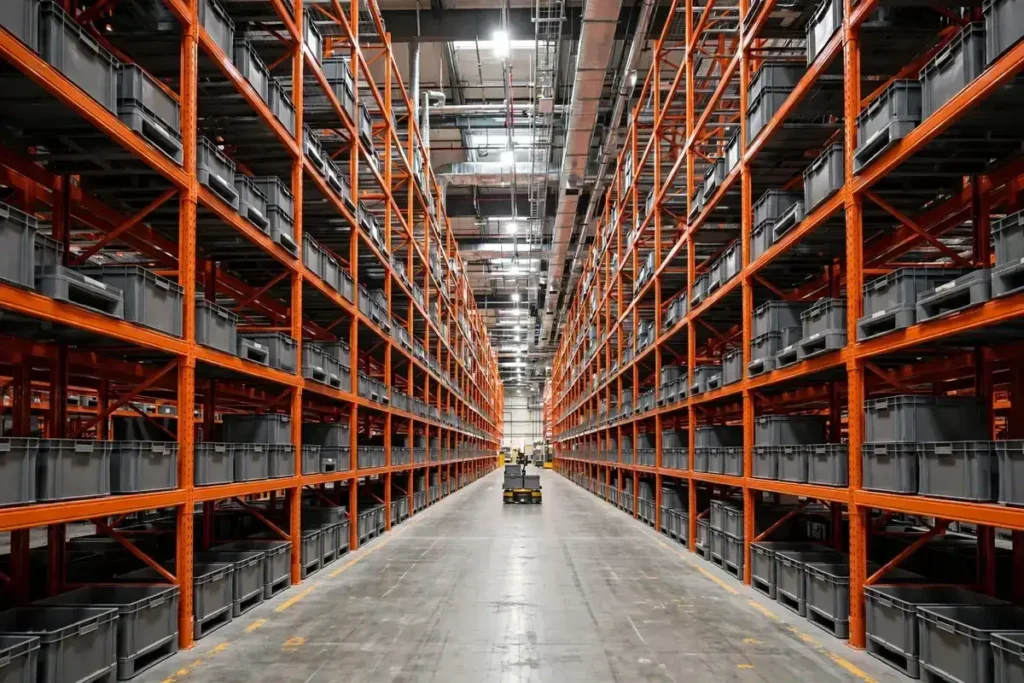
AI Tools for Inventory Management: Best 7 Picks for 2026
Stockouts lose sales. Overstock ties up cash. And every business owner who has done a manual stock count knows the special pain of discovering the spreadsheet was wrong. Modern AI tools for inventory management attack all three problems at once: they forecast demand, optimize stock levels, and automate the warehouse workflows that used to require constant human attention.
This guide compares the seven best platforms for 2026, from enterprise suites to tools built for small manufacturers. Whether you run an ecommerce store, a wholesale distributor, or a production floor, you will find a system that fits your scale and your budget.
Why AI changed inventory management
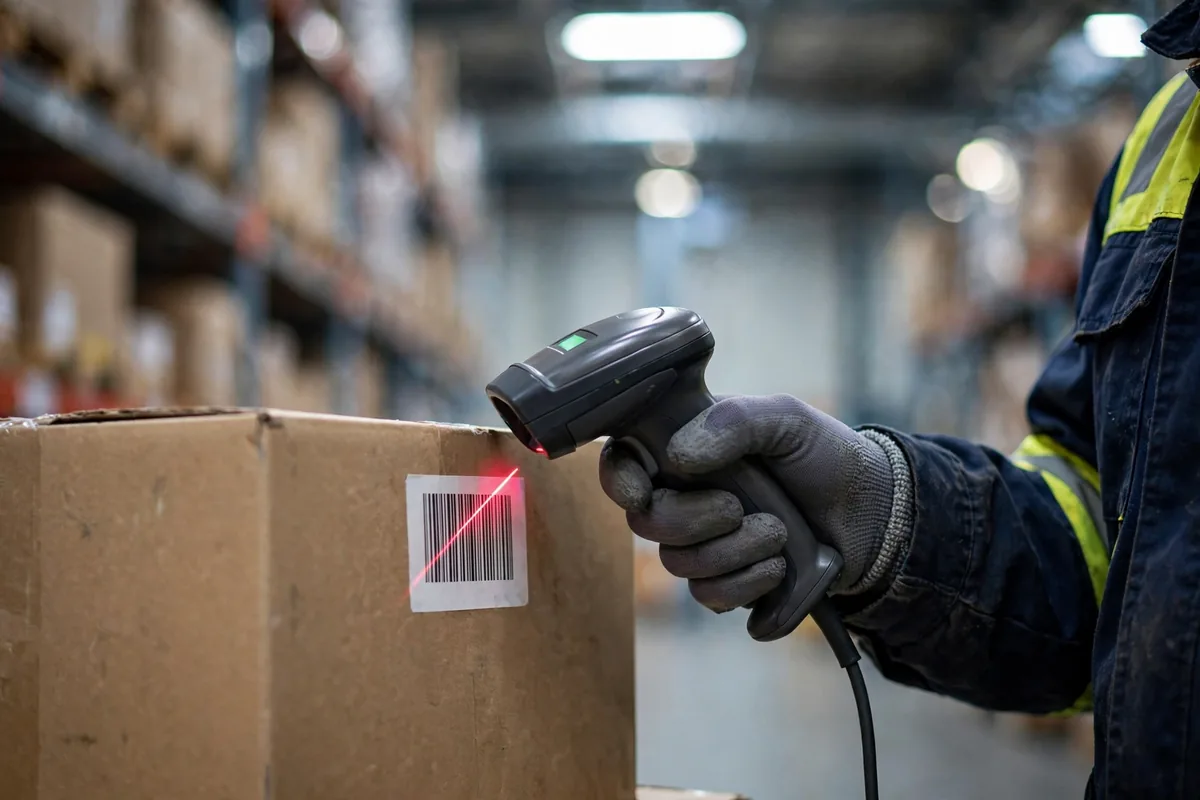
Traditional inventory management runs on rules: reorder points, safety-stock formulas, ABC classifications. Rules work until demand shifts, suppliers slip, or a viral moment empties your shelves overnight. AI tools for inventory management replace static rules with learning systems that adapt.
Demand forecasting is the headline capability. Instead of simple moving averages, machine-learning models weigh seasonality, promotions, trends, weather, and even social signals to predict what you will need — and the predictions improve as the system sees more of your data. The result is fewer stockouts without bloated safety stock.
The second shift is automation of decisions. AI does not just predict; it acts — generating purchase orders, reallocating stock between locations, and flagging anomalies like sudden shrinkage or supplier delays. Warehouse operations benefit too: AI-optimized picking routes, slotting recommendations, and labor planning cut fulfillment costs measurably.
The business case is straightforward. Inventory is usually a company’s largest working-capital investment, and small improvements in forecast accuracy translate directly into cash: less capital trapped on shelves, fewer lost sales, and lower carrying costs. That is why adoption keeps accelerating across retail, wholesale, and manufacturing.
The 7 Best AI Tools for Inventory Management in 2026
1. Oracle NetSuite
NetSuite is the enterprise-grade ERP whose inventory module now bakes AI into demand planning, replenishment, and warehouse operations. Its demand-planning engine uses machine learning to forecast at the item-location level, accounting for seasonality, trends, and promotions.
The platform’s strength is breadth: inventory, order management, procurement, financials, and CRM in one system, so the AI works with complete data rather than siloed exports. Advanced warehousing features — directed putaway, wave picking, cycle counting — bring automation to the floor as well. Oracle documents its supply-chain AI capabilities at oracle.com.
NetSuite is priced for mid-market and enterprise companies, with implementation typically requiring partner help. For businesses outgrowing entry-level tools, it is the most complete AI-driven inventory platform available, and its ecosystem of add-ons extends it further.
2. Cin7 (Cin7 Omni and Cin7 Core)
Cin7 serves product businesses that sell across channels — Shopify, Amazon, wholesale, retail — and need one inventory brain behind them all. Its AI-assisted forecasting and replenishment suggest purchase orders based on sales velocity, lead times, and seasonality across every channel.
The platform shines at multichannel complexity: stock syncs in real time, so a sale on Amazon instantly updates availability everywhere else. Built-in EDI, 3PL integrations, and warehouse management cover the operational side, while demand-planning dashboards keep purchasing ahead of the curve.
Pricing is mid-market, scaling with order volume and features. For omnichannel sellers whose biggest headache is “which channel gets the last units?”, Cin7’s allocation intelligence earns its keep quickly.
3. Zoho Inventory
Zoho Inventory is the value pick: a genuinely capable system with AI-assisted forecasting and automation at small-business pricing. It handles multichannel selling, order management, and warehouse basics, with machine-learning features that improve reorder suggestions over time.
Integration with the broader Zoho suite (CRM, Books, Analytics) is the real draw — customer, financial, and inventory data in one ecosystem, which makes the AI’s recommendations smarter. Automation workflows handle routine tasks like reorder alerts and shipment notifications without manual babysitting.
The free and low-tier plans make it accessible to startups and small retailers. It will not match NetSuite’s depth, but for businesses managing thousands rather than millions of SKUs, Zoho Inventory delivers remarkable capability per dollar among AI tools for inventory management.
4. Katana
Katana is built for manufacturers, and its AI features target production’s unique inventory challenges: raw-material planning, work-in-order tracking, and finished-goods availability. Its smart material-requirements planning forecasts component needs from your sales orders and production schedules.
The visual production calendar is Katana’s signature — drag-and-drop scheduling that the AI keeps feasible by flagging material shortages before they stall production. Real-time inventory syncs across Shopify, WooCommerce, and other channels keep sales and production aligned.
Pricing targets small and mid-size manufacturers with tiered plans. If you make things rather than just resell them, Katana’s manufacturing-first design beats generic inventory tools that treat production as an afterthought.
5. Fishbowl
Fishbowl is the established choice for QuickBooks-centric businesses that need real warehouse management. Its AI-enhanced features focus on demand forecasting, automated reordering, and warehouse optimization — pick paths, bin locations, and cycle-count scheduling.
The QuickBooks integration is deep and battle-tested: two decades of refinement mean accounting and inventory stay in sync without the reconciliation headaches that plague bolted-together stacks. Manufacturing and asset-tracking editions extend it into light production and equipment management.
Fishbowl uses perpetual licensing plus support plans rather than pure SaaS pricing, which some businesses prefer for cost predictability. For QuickBooks shops hitting the limits of spreadsheets, it is the natural next step.
6. inFlow Inventory
inFlow targets small businesses that need inventory control without enterprise complexity. Its AI-assisted reordering analyzes sales patterns to suggest when and how much to order, and its barcode-driven workflows bring warehouse discipline to small teams.
Ease of use is the differentiator. Staff can learn receiving, picking, and cycle counting in an afternoon, and the mobile app puts those workflows on the warehouse floor. Built-in B2B showroom features let wholesalers take orders directly.
Pricing is among the most affordable in this roundup, with plans scaling by order volume. For small retailers, distributors, and light manufacturers taking their first step beyond spreadsheets, inFlow’s gentle learning curve matters more than feature depth.
7. Oracle Fusion Cloud SCM
Oracle Fusion Cloud Supply Chain Management is the heavyweight for complex, global operations. Its AI spans demand sensing, supply planning, logistics, and warehouse management — with machine-learning models that ingest external signals like weather and market events alongside your internal data.
The standout is end-to-end optimization: the system does not just forecast demand but aligns supply plans, production schedules, and transportation around it. Digital-twin capabilities let planners simulate disruptions and test responses before committing. For enterprises managing multi-tier supply chains, this holistic view is unmatched.
This is enterprise software with enterprise pricing and implementation timelines. But for organizations where a single stockout can cost millions, Oracle’s depth justifies the investment. NetSuite’s own inventory intelligence at netsuite.com shows how Oracle scales these capabilities down-market as well.
AI inventory management tools compared
| Tool | Best for | AI strength | Starting complexity | Pricing model |
|---|---|---|---|---|
| Oracle NetSuite | Mid-market & enterprise | Demand planning + warehouse AI | High (partner implementation) | Annual subscription |
| Cin7 | Omnichannel sellers | Forecasting + allocation | Medium | Volume-based tiers |
| Zoho Inventory | Small business | Reorder suggestions | Low | Freemium / low tiers |
| Katana | Manufacturers | Material planning | Low-medium | Tiered plans |
| Fishbowl | QuickBooks users | Forecasting + warehouse optimization | Medium | License + support |
| inFlow | Small teams | Assisted reordering | Low | Affordable tiers |
| Oracle Fusion Cloud SCM | Global enterprise | End-to-end supply-chain AI | High | Enterprise quote |
How to choose the right system
Start with your business model, not the feature list. Manufacturers need production planning (Katana, NetSuite). Omnichannel retailers need channel sync and allocation (Cin7, Zoho). QuickBooks shops should shortlist Fishbowl first. Global enterprises with complex supply chains belong in the Oracle conversation.
Data readiness decides AI value. Forecasting models need history — typically 12+ months of clean sales data by SKU and location. If your data lives in scattered spreadsheets, budget time for cleanup before expecting miracles; the AI is only as good as what you feed it. Run a pilot on your top 100 SKUs and compare forecast accuracy against your current method.
Integration requirements come next. List the systems inventory must talk to: ecommerce platform, accounting, 3PL, EDI partners, POS. Native integrations beat custom middleware every time, so verify each candidate’s connector list against your stack.
Finally, weigh total cost honestly: subscription plus implementation, training, and the internal time to manage the transition. A cheaper tool that your team actually adopts beats a powerful one that sits unused. Most vendors offer trials — use them with real data, not demo data.
Risks and limitations
Forecasting models struggle with true novelty: new products, unprecedented events, and sudden demand shocks. AI handles the predictable 90% brilliantly and the weird 10% poorly — keep human oversight on new launches and crisis situations.
Implementation disruption is real. Switching inventory systems touches purchasing, warehousing, sales, and accounting simultaneously. Plan the cutover carefully, run parallel for a critical period, and expect a learning curve even with the friendliest tools.
Data quality remains the ceiling. Duplicate SKUs, inconsistent units of measure, and missing lead-time data will degrade any AI’s output. The unglamorous work of master-data cleanup pays the highest dividends in inventory AI projects.
The Reorder Point Formula
AI inventory tools automate reordering, but you should understand the math they use. The reorder point equals average daily usage times lead time in days, plus safety stock. Safety stock covers demand spikes and late deliveries; a common starting point is 50% of the lead-time demand for critical items, less for the rest.
Review the parameters quarterly. Lead times change, demand shifts seasonally, and an AI system running on last year’s numbers will overstock or stock out with equal confidence. The tool does the arithmetic; you own the assumptions.
Frequently asked questions
FAQ
How do AI tools for inventory management forecast demand?
AI tools for inventory management use machine-learning models trained on your sales history, seasonality, promotions, and external signals to predict future demand by item and location. Unlike simple averages, these models detect complex patterns — for example, how a promotion in one region affects demand in another — and their accuracy improves as they observe more of your data.
Can small businesses afford inventory AI?
Yes. While enterprise platforms like NetSuite and Oracle Fusion carry enterprise price tags, tools like Zoho Inventory, inFlow, and Katana bring AI-assisted forecasting and reordering to small-business budgets — some starting with free tiers. The key is matching the tool to your SKU count and complexity rather than buying enterprise depth you will not use.
How much history does inventory AI need?
Most demand-forecasting models want at least 12 months of sales history to capture seasonality, though they can start producing useful predictions with less. Clean data matters more than volume: consistent SKUs, accurate timestamps, and recorded promotions beat five years of messy exports. Plan a data-cleanup phase before rollout.
Will AI replace my purchasing team?
No. AI tools for inventory management automate the analytical heavy lifting — forecasting, reorder calculations, anomaly flagging — but buyers still handle supplier relationships, negotiations, and judgment calls on unusual situations. The realistic outcome is a smaller team managing more SKUs with fewer errors, not zero humans.
What is the difference between inventory management and warehouse management?
Inventory management tracks what you own, where it is, and what you need — the planning layer. Warehouse management governs physical operations: receiving, putaway, picking, packing, and shipping — the execution layer. Many AI tools for inventory management include warehouse features, and the best results come when both layers share the same data.
Conclusion
The best AI tools for inventory management in 2026 share one trait: they turn inventory from a guessing game into a data-driven operation. NetSuite and Oracle Fusion lead for complex enterprises, Cin7 masters omnichannel complexity, Katana serves manufacturers, Fishbowl fits QuickBooks ecosystems, and Zoho Inventory and inFlow bring AI within small-business reach.
Choose by business model, verify with a pilot on your own SKUs, and invest in data quality — that unglamorous step determines how smart any AI can be. Get those right, and the payoff is tangible: less cash trapped in stock, fewer lost sales, and a supply chain that adapts instead of reacts. If you sell online, pair your pick with our guide to AI for ecommerce growth, explore AI tools for small business, and automate the surrounding workflows with AI business automation.




Join the discussion
Have a question or a perspective to share?