

Perplexity vs ChatGPT: Best AI Search Engine 2026
“Just Google it” used to be the answer to everything. In 2026, the answer is more likely “just ask the AI” — but which AI? The perplexity vs chatgpt debate is the defining matchup of the AI search era. Perplexity was built from the ground up as an answer engine, while ChatGPT has evolved from a chatbot into a full search competitor with live web browsing.
Both tools promise the same thing: skip the ten blue links and get a direct, cited answer. But they take very different paths to get there, and the right choice depends on what you are actually trying to do — quick factual research, deep analysis, coding help, or everyday questions.
We put both through seven head-to-head tests covering factual accuracy, freshness of information, source quality, follow-up conversations, reasoning depth, and price. Here is the honest breakdown of the perplexity vs chatgpt contest, who wins each round, and which tool deserves your default-search slot.
Perplexity vs ChatGPT: The 30-Second Summary
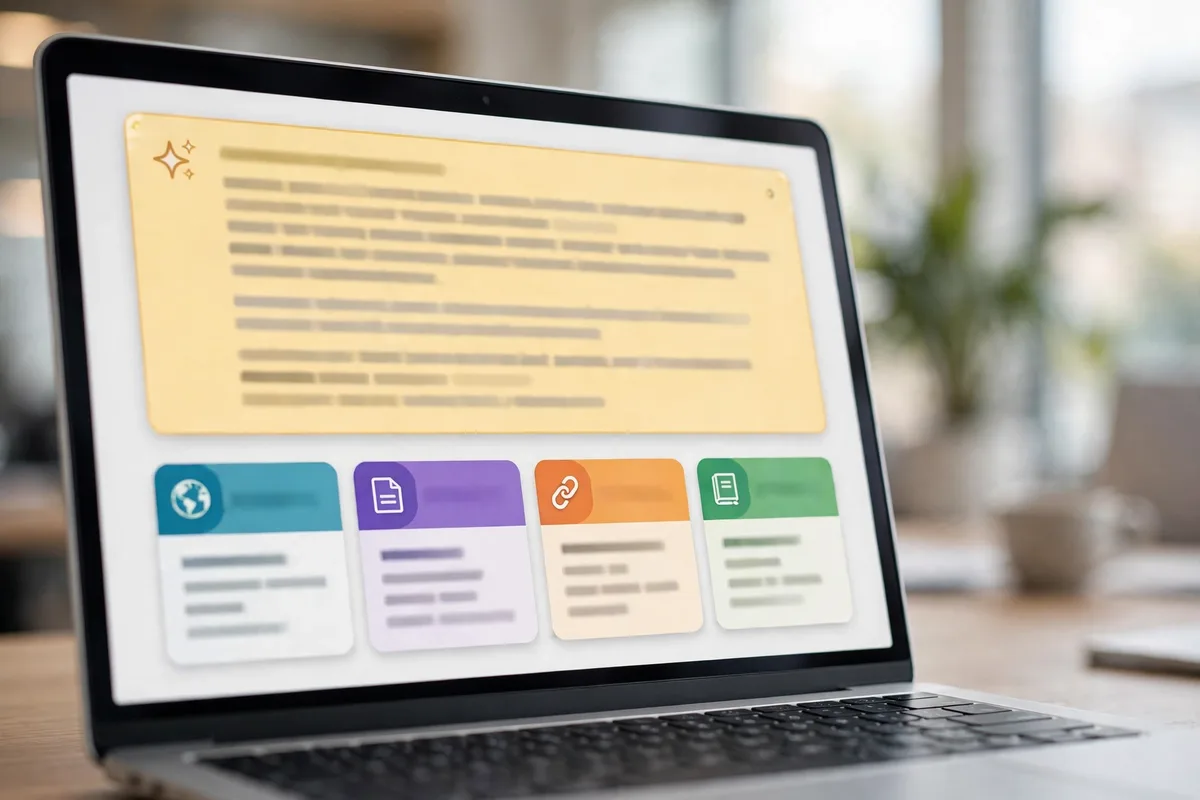
If you want the short version of perplexity vs chatgpt: Perplexity wins as a pure search engine — it is faster at finding current information and shows its sources more transparently. ChatGPT wins as a general AI assistant — it reasons better, writes better, codes better, and now searches well enough for most queries. Many power users run both: Perplexity for research, ChatGPT for everything else.
| Category | Perplexity | ChatGPT | Winner |
|---|---|---|---|
| Factual accuracy | Excellent, cited | Excellent, cited | Tie |
| Freshness / real-time info | Native, very fast | Good, via browsing | Perplexity |
| Source transparency | Inline citations, source panel | Citations improving | Perplexity |
| Reasoning depth | Good | Excellent | ChatGPT |
| Writing quality | Decent | Excellent | ChatGPT |
| Coding help | Okay | Excellent | ChatGPT |
| Follow-up dialogue | Good | Excellent | ChatGPT |
| Free tier | Generous | Generous | Tie |
| Paid price | ~$20/mo | ~$20/mo | Tie |
Round 1: Factual Accuracy
We asked both tools 20 factual questions with verifiable answers — historical dates, scientific facts, sports records, and company milestones. Both answered 19 out of 20 correctly. The single miss on each side was a different question, and both errors were subtle (an outdated statistic in one case, a misattributed quote in the other).
The real difference in the perplexity vs chatgpt accuracy story is not the hit rate — it is what happens when you doubt the answer. Perplexity puts numbered citations directly in the text, and clicking one opens the source in a side panel with the relevant passage highlighted. ChatGPT now includes citations when browsing, but they are less consistently placed, and tracing a specific claim back to its source takes more clicks.
Winner: Tie on accuracy, Perplexity on verifiability.
Round 2: Freshness — Breaking News and Live Data
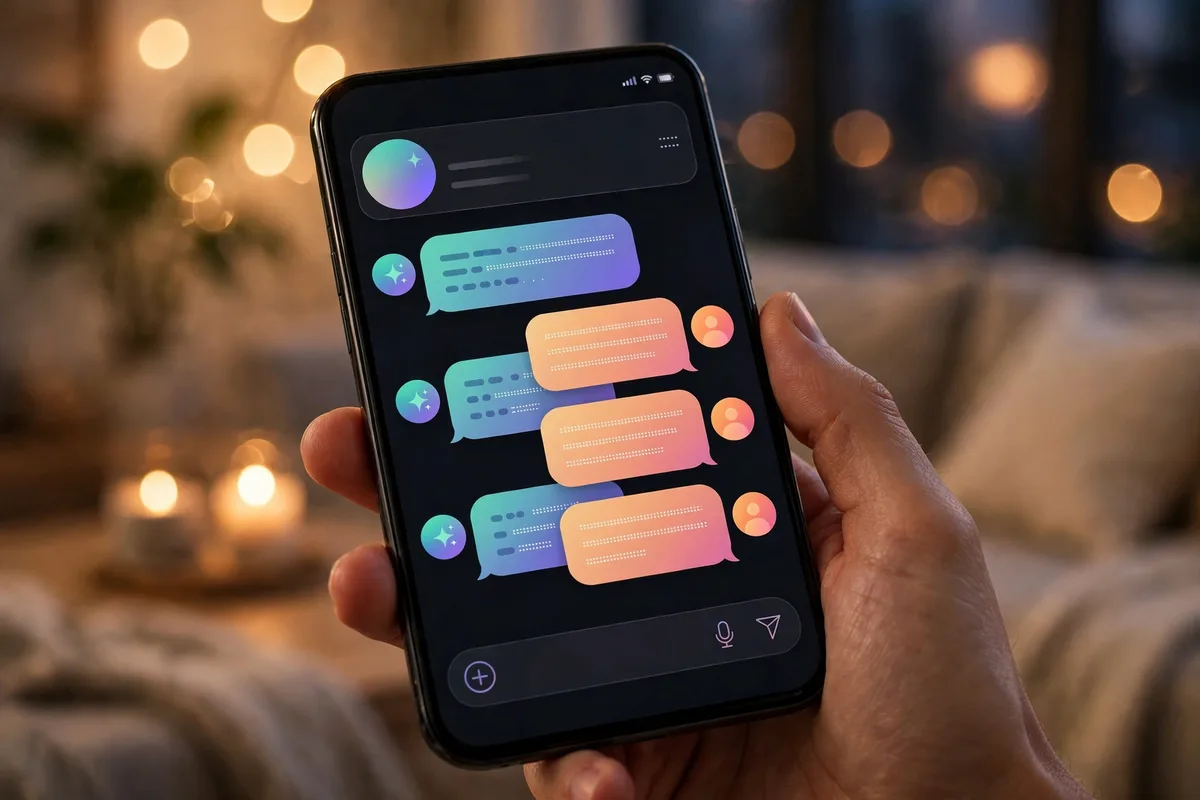
This is where the tools’ DNA shows. Perplexity was designed around the live web. Ask about a game played last night, a stock price this morning, or a product announced yesterday, and it retrieves and synthesizes current sources in seconds. Its “discover” feed even surfaces trending topics before you ask.
ChatGPT’s browsing is capable but feels bolted on by comparison. It sometimes answers from training data when it should browse, and complex multi-source freshness queries take longer. In our tests, Perplexity returned correct same-day information 9 out of 10 times; ChatGPT managed 7 out of 10, with two answers that were technically correct but stale.
Winner: Perplexity, clearly. If your work depends on what happened today — journalism, trading, competitive intel — this round decides the perplexity vs chatgpt question for you.
Round 3: Source Quality and Transparency
Perplexity’s entire interface is built around sources. Every answer shows where each claim came from, and its focus modes let you restrict searches to academic papers, Reddit discussions, YouTube videos, or Wolfram computations. For researchers, this is gold — you can see the evidence chain without extra work.
ChatGPT’s sources are serviceable but secondary. It cites when browsing, and its deep-research mode produces impressive source lists, but the everyday search experience still centers the answer rather than the evidence. That said, ChatGPT’s deep research reports — long, structured, heavily sourced — are arguably the best long-form research output either company offers.
Winner: Perplexity for everyday transparency; ChatGPT’s deep research mode is a special weapon worth knowing about. For more on research workflows, see our guide to AI research tools.
Round 4: Reasoning and Complex Questions

Ask a multi-step question — “If I refinance my mortgage at 6.2% versus 5.8%, what’s the 10-year difference including closing costs, and which states have the best rates right now?” — and the gap opens up. ChatGPT’s reasoning models work through the problem step by step, showing their logic and catching their own mistakes. Perplexity handles it, but its reasoning is shallower and it is more likely to fumble the math or miss a condition.
This is the fundamental perplexity vs chatgpt tradeoff: Perplexity finds information; ChatGPT thinks about it. For analysis, planning, and anything where the answer requires combining facts with logic, ChatGPT is in a different league.
Winner: ChatGPT, by a wide margin.
Round 5: Follow-Up Conversations
Real research is conversational. You ask, you get an answer, you probe deeper, you change direction. ChatGPT’s memory and context handling make it the better conversation partner — it remembers what “it” and “that approach” refer to across long threads, and it adapts its depth to your follow-ups.
Perplexity supports follow-ups and keeps thread context, but long threads degrade faster. After five or six turns, it starts losing the thread of complex topics, while ChatGPT can sustain a productive 30-turn investigation. If you like the three-way comparison format, our Claude vs ChatGPT vs Gemini comparison covers how the broader field handles extended reasoning.
Winner: ChatGPT.
Round 6: Writing, Coding, and Creative Work
This round is not close, but it matters for the overall verdict because most people do not just search — they create. ChatGPT writes better emails, essays, marketing copy, and scripts. It codes better, debugs better, and explains code better. Perplexity can draft and summarize, but its outputs read flatter and need more editing.
If your question ends with “now write me…” or “now build me…”, ChatGPT is the tool. Perplexity is a search engine that can chat; ChatGPT is an AI assistant that can search.
Winner: ChatGPT, decisively.
Round 7: Pricing and Free Tiers
Both offer capable free tiers. Perplexity’s free plan includes unlimited quick searches plus a daily allowance of Pro searches with the best models. ChatGPT’s free tier includes GPT-class models with browsing, though with usage limits and slower access to the newest models during peak times.
Paid plans both sit around $20/month. Perplexity Pro adds more Pro searches, file uploads, and API credits. ChatGPT Plus adds higher limits, the best reasoning models, deep research, and priority access. Neither is clearly better value — it depends entirely on which strengths you use.
Winner: Tie. Budget-conscious users should also check our Gemini vs ChatGPT for Workspace users breakdown, since Google’s offering changes the value math if you live in Gmail and Docs.
When to Use Perplexity
Choose Perplexity as your primary tool when:
- You need current information fast — news, prices, scores, product launches, recent papers.
- Source transparency matters — you need to cite or verify everything.
- You do quick factual lookups dozens of times a day and want minimal friction.
- You research across specific source types (academic, social, video) using focus modes.
- You want a clean, fast answer engine without the overhead of a full assistant.
When to Use ChatGPT
Choose ChatGPT as your primary tool when:
- Your questions need reasoning, analysis, or multi-step logic.
- You want to write, code, or create from the answer.
- You have long, evolving conversations and need strong context retention.
- You need deep research reports — multi-page, structured, sourced investigations.
- You want one tool that handles search plus everything else.
Perplexity vs ChatGPT: Privacy and Data Handling
Search queries reveal what you care about, so privacy deserves a round in the perplexity vs chatgpt comparison. Both companies train models on user data by default on free tiers, and both let you opt out or delete history — but the details differ.
Perplexity’s enterprise and Pro tiers offer stronger data-retention controls, and its search-centric design means less of your conversational context is stored long-term compared to ChatGPT’s memory features. ChatGPT’s memory — which remembers facts about you across sessions — is genuinely useful, but it is also a larger data footprint. You can disable it in settings, and privacy-conscious users should.
For business use, both offer enterprise tiers with zero data retention for training: Perplexity Enterprise and ChatGPT Enterprise/Team. If you handle client data, regulated information, or proprietary research, do not run it through consumer tiers of either tool — the enterprise contract is what gives you the legal protections. For everyday personal research, both are reasonable; just review the privacy settings once rather than accepting defaults.
Winner: Perplexity by a nose on defaults; tie once both are properly configured.
The Power-User Answer: Use Both
The honest conclusion of the perplexity vs chatgpt debate is that these tools are complements, not substitutes. The workflow that experienced researchers actually use:
- Perplexity first for discovery — get the current facts with sources in seconds.
- ChatGPT second for thinking — feed it Perplexity’s findings and ask it to analyze, compare, or draft.
- Cross-check anything critical in both — disagreements between them are where the interesting questions live.
Both companies are converging — Perplexity is adding reasoning, ChatGPT is improving search — but their core strengths remain distinct in 2026. Learn more about each directly at Perplexity and OpenAI.
One more practical note on the perplexity vs chatgpt decision: your existing subscriptions may decide for you. If you already pay for ChatGPT Plus for writing or coding, its search is good enough that adding Perplexity Pro is a luxury, not a necessity — the free tier covers occasional research. Conversely, if you only need an answer engine and never touch AI writing tools, Perplexity’s free tier plus its generous Pro search allowance is the leaner setup. Match the subscription to the job you actually do every day, not the feature list that impressed you in a demo.
FAQ
Is Perplexity better than ChatGPT?
For pure search — finding current, cited information quickly — yes, Perplexity is better. For reasoning, writing, coding, and general assistance, ChatGPT is better. The “better” tool depends on the task, which is why many people use both.
Is Perplexity free?
Yes, Perplexity has a generous free tier with unlimited standard searches and a daily allowance of Pro searches. The Pro plan (~$20/month) adds more Pro searches, file analysis, and API access.
Can ChatGPT browse the web in real time?
Yes. ChatGPT’s browsing fetches live web content and includes citations. It is good but generally slower and less source-transparent than Perplexity for quick factual queries.
Which is more accurate, Perplexity or ChatGPT?
In our testing, both were equally accurate on factual questions. Perplexity’s advantage is verifiability — its inline citations make it faster to confirm any claim against its source.
Should I pay for both Perplexity Pro and ChatGPT Plus?
For most people, no — pick the one matching your primary use case. Heavy researchers, journalists, and analysts are the exception; at ~$40/month combined, the pair replaces several pricier research subscriptions.
Conclusion
The perplexity vs chatgpt contest does not have a single winner — it has two winners in different events. Perplexity is the best AI search engine of 2026: faster, fresher, and more transparent about sources. ChatGPT is the best AI assistant that also searches: deeper reasoning, better writing, stronger coding, and conversations that hold together.
Start with the one that matches your most common task. But if you do serious research, do not choose — use Perplexity to find the facts and ChatGPT to think about them. That combination beats either tool alone, and it is the workflow the power users settled on long before the marketing caught up.





Join the discussion
Have a question or a perspective to share?