

Your happiest customers would gladly praise you — if you asked, made it easy, and reminded them once. Most businesses do none of the three, then wonder why their review profiles look empty. An AI testimonial collection workflow systematizes the entire process: identifying the right moment to ask, making responding effortless, following up automatically, showcasing the results, and amplifying them across your marketing.
Testimonials and reviews directly drive revenue. Shoppers read an average of ten reviews before trusting a business, and B2B buyers rank peer reviews among their top decision inputs. This five-step workflow turns scattered, awkward asks into a steady stream of social proof.
Why Testimonials Need an AI Testimonial Collection Workflow

Testimonial collection fails for predictable reasons. You ask at the wrong time (during onboarding chaos, not after a win). You ask vaguely (“mind leaving a review?”) instead of specifically. You ask once and never follow up. And when a great testimonial does arrive, it sits in an email instead of on your website.
An AI testimonial collection workflow fixes each failure point. AI identifies happy customers from support interactions and NPS scores, drafts personalized ask messages, sends timed follow-ups, and even helps format testimonials for different channels. The result: a consistent pipeline instead of occasional luck.
The math is compelling. If 20% of your customers are delighted and you ask all of them systematically, you will collect more testimonials in a quarter than most competitors gather in a year. Social proof compounds — each new review makes the next prospect slightly more likely to convert.
Step 1: Identify the Right Moment to Ask
Timing is everything. Ask too early and the customer has nothing to say; ask too late and the enthusiasm has faded.
Trigger on positive signals
The best moments to request a testimonial:
- After a support win: a resolved ticket with a “that was fast, thank you” reply
- After a milestone: onboarding complete, first results achieved, renewal signed
- High NPS scores: anyone scoring 9–10 is pre-qualified
- Repeat purchases: the strongest possible signal of satisfaction
- Unsolicited praise: any compliment in email, chat, or social — ask permission to quote it immediately
Let AI spot the signals
AI sentiment analysis on support tickets, chat transcripts, and survey responses flags happy customers automatically. Instead of manually reviewing interactions, you get a weekly list: “these 12 customers expressed satisfaction this week — ask them.” This is the prospecting engine of your AI testimonial collection workflow.
Segment your asks
Not every testimonial serves the same purpose. Tag customers by segment, use case, and company size as you identify them, so you can later request specific kinds of testimonials (“we need a manufacturing story this quarter”). A deliberate collection strategy beats a random pile of praise.
Build testimonial tiers
Not all testimonials deserve equal effort. Create three tiers: Tier 1 (strategic accounts and marquee logos — personal outreach from a founder or exec), Tier 2 (happy mid-market customers — personalized but templated asks), Tier 3 (long-tail happy users — fully automated asks). This tiering focuses your scarcest resource — personal attention — where it moves the needle most, while automation covers the volume. Review tier assignments quarterly as customers grow or churn.
Step 2: Make Responding Effortless
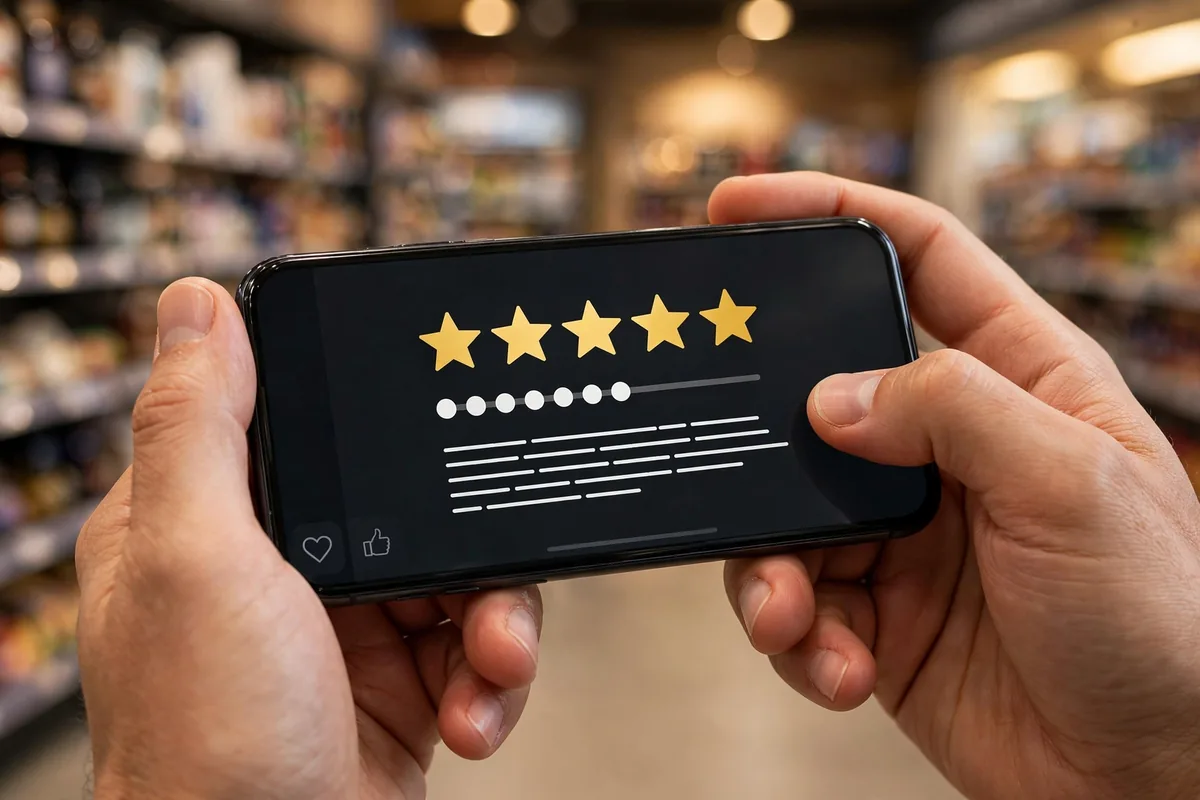
Every bit of friction kills response rates. Your job in step two is to make leaving a testimonial take under two minutes.
Ask specific, guided questions
“Can you leave a testimonial?” produces blank stares. Instead, send two or three guided prompts:
- “What problem were you facing before working with us?”
- “What specific result have you seen?”
- “What would you tell someone considering us?”
Guided questions produce testimonials with narrative and specifics — exactly what prospects find persuasive.
Offer format choices
Some customers write beautifully; others would rather talk. Offer options: a 2-minute written form, a 60-second video upload, or a 5-minute recorded call where you ask the questions. Video testimonials convert best but have the lowest response rate — offer all three and let the customer choose.
Pre-fill everything you can
The ask message should include the customer’s name, company, and the product they use, pre-filled. Link directly to the review form — never make them search for it. For platform reviews (Google Business Profile, Trustpilot), use direct review links that open the review dialog in one click.
AI drafts the personalized ask from a template plus customer context: their name, their win, the right platform link. You review and send — or automate sending for lower-touch segments.
Step 3: Automate Follow-Up (Politely)
One ask is never enough. Most testimonials come from the follow-up, not the initial request.
The follow-up sequence
- Day 0: the initial ask, tied to the positive moment
- Day 4: a friendly nudge with the direct link again (“takes 90 seconds”)
- Day 11: a final note offering alternatives (“a quick call works too — I will write it up for your approval”)
- Day 12+: stop. Further follow-up damages the relationship.
Automate with a human safety valve
Set up the sequence in your email or CRM tool, but add one rule: if the customer opens a support ticket or expresses frustration during the sequence, pause it automatically. Asking for a testimonial from an annoyed customer is worse than not asking at all. AI sentiment monitoring can trigger these pauses.
Thank every respondent
Every testimonial gets a personal thank-you within 24 hours — not an automated receipt, a genuine note. For standout testimonials, consider a small gesture: a handwritten note, a feature on your social channels, or early access to new features. Grateful customers become repeat advocates.
This follow-up discipline mirrors good data hygiene practices — systematic, respectful of people’s time, and instrumented so you know what is working.
Step 4: Showcase Testimonials Strategically

Collected testimonials sitting in a spreadsheet help no one. Step four puts them to work.
Placement that converts
- Homepage: 3–5 rotating testimonials above the fold, with names, photos, and companies
- Product/service pages: testimonials specific to that offering
- Pricing page: risk-reversal testimonials (“worth every penny”) near the buy button
- Checkout/signup flow: one strong testimonial at the moment of hesitation
- Sales proposals: matched to the prospect’s industry and use case
Format for skimming
Prospects skim. Format testimonials for scanners: bold the key result, keep each under 50 words for web display, and always include a name, role, and company — anonymous testimonials convert poorly. Star ratings and logos add instant credibility signals.
Keep them fresh
Rotate homepage testimonials quarterly and date-stamp longer case studies. A testimonial from 2021 about a product that has since changed raises more questions than it answers. Set a calendar reminder to review and refresh.
Freshness also applies to variety: if all your testimonials praise the same feature, prospects with different needs will not see themselves. Actively seek testimonials that cover your full range — different industries, company sizes, and use cases — so every visitor finds a story that mirrors their situation.
Students and educators building portfolios can apply the same showcase principles — the AI tools students use for organizing work translate directly to organizing social proof.
Step 5: Amplify Across Every Channel
The final step of the AI testimonial collection workflow multiplies each testimonial’s reach.
The amplification checklist
- Social media: quote graphics sized for each platform, posted over weeks not all at once
- Email: a “what customers are saying” section in newsletters
- Ads: testimonial creative consistently outperforms brand creative in paid social
- Website: a dedicated reviews/testimonials page for SEO (“[your product] reviews”)
- Sales: a one-page battle card of the best quotes per segment
- Video: compile short clips into a 60-second sizzle reel
Turn testimonials into content
A great testimonial seeds a case study interview. A cluster of testimonials about the same benefit becomes a blog post (“Why customers switch to us for X”). AI repurposing tools generate these derivatives from your testimonial library — the same pipeline logic behind AI voice and video workflows.
Monitor and respond
Track new reviews on third-party platforms weekly. Respond to every review — positive and negative — within 48 hours. A thoughtful response to a critical review often impresses prospects more than a five-star rating. Your public responses are themselves testimonials to how you treat customers.
Measure the pipeline
An AI testimonial collection workflow should be measured like any pipeline: asks sent, response rate, testimonials published, and placement coverage. Track response rate by segment and channel to learn what works — you may find video asks convert better for enterprise while one-click forms win for consumers. Review these metrics monthly and adjust triggers, timing, and messaging. A workflow you do not measure is a workflow that slowly stops working.
Tools for Your AI Testimonial Collection Workflow
You do not need enterprise software to run this workflow. A practical stack has three layers:
| Layer | What it does | Example tools |
|---|---|---|
| Signal detection | Flags happy customers from tickets, chats, NPS | Your helpdesk + AI sentiment add-on |
| Ask and follow-up | Sends personalized asks and sequences | Email/CRM automation, review platforms |
| Showcase | Displays testimonials on site and social | Review widgets, design tools |
Start with what you have: most CRMs can run the ask sequence, and most helpdesks surface satisfaction signals. Add dedicated review management only when volume justifies it. The workflow matters more than the tools — a spreadsheet and calendar reminders beat an expensive platform nobody configured.
When choosing tools, prioritize direct review links (one-click to the review dialog), automated sequencing with pause rules, and an embeddable display widget. Test the respondent experience yourself before launching: if it takes you more than two minutes, simplify.
Common Testimonial Mistakes
- Asking everyone, not the delighted: targeting matters more than volume
- No follow-up: the fortune is in the second and third touch
- Burying testimonials: collecting without showcasing
- Fake or incentivized reviews: destroys trust when discovered — never do it
- Ignoring negative reviews: unanswered criticism festers publicly
The 3-Question Video Testimonial Script
Written testimonials are nice; a 60-second video of a customer talking is worth ten of them. The problem is that customers freeze on camera without guidance. Send them three questions in advance: what problem were you facing before us, what changed after you started using us, and what would you tell someone considering us. Three questions keep the recording under two minutes and the editing simple.
Lower the bar technically. A phone on a stack of books in a quiet room beats a rescheduled studio session that never happens. Offer to do it as a recorded video call where you ask the questions and they just answer; most people find conversation far easier than monologue.
FAQ
When is the best time to ask for a testimonial?
Immediately after a positive moment: a resolved support issue, a milestone achieved, a renewal, or a high NPS score. Enthusiasm decays fast — ask within 48 hours of the win.
How do I ask without being pushy?
Be specific, brief, and low-pressure: reference their actual win, provide guided questions, link directly to the form, and make clear that any length is fine. One polite follow-up sequence is expected; beyond that, drop it.
Should I offer incentives for testimonials?
Small thank-yous after the fact are fine; upfront incentives for positive reviews are unethical and often violate platform policies. Never pay for reviews or write fake ones — discovery destroys trust permanently.
Video or written testimonials — which is better?
Video converts better but gets fewer responses. Collect both: ask everyone for written, and invite your most enthusiastic customers for a 60-second video. Even three strong video testimonials transform a website.
How many testimonials do I need?
For a small business website: 6–10 strong ones across key pages. For B2B sales: 2–3 per industry segment. Ongoing collection matters more than a big launch — fresh testimonials signal a healthy, active business.
Conclusion
An AI testimonial collection workflow turns happy customers into a growth asset: identify the right moment with AI signal detection, make responding effortless, follow up politely, showcase strategically, and amplify everywhere. Five steps, mostly automated, compounding every quarter.
Start this week: list ten customers who had a win recently and send three personalized asks today. The testimonials you collect will sell for you around the clock — but only if you ask.
Remember that an AI testimonial collection workflow is a living system, not a one-time project. Revisit your triggers quarterly, refresh your showcase placements, and keep the ask list full. The businesses with the strongest review profiles are rarely the ones with the happiest customers — they are the ones with the best system for capturing that happiness.





Join the discussion
Have a question or a perspective to share?