
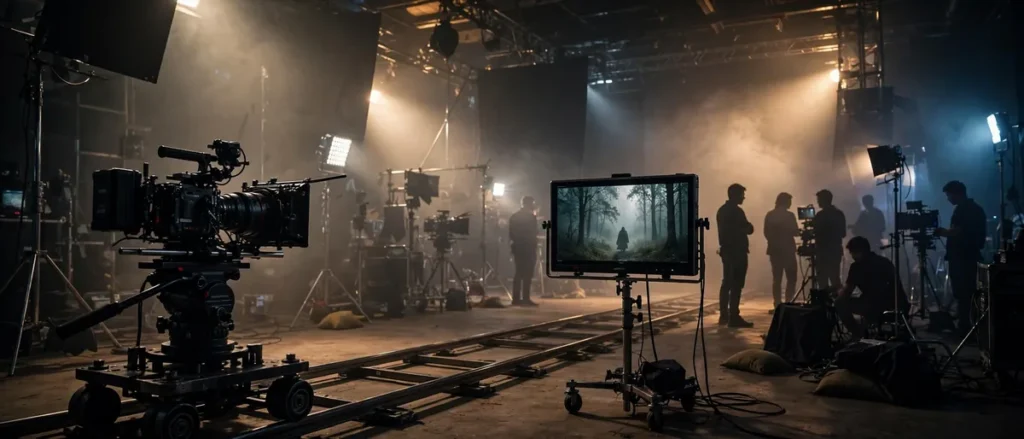
Introduction: The New Era of AI-Driven Cinematography
The cinematic landscape of 2026 is unrecognizable compared to just a few years ago. As independent creators and studio professionals alike seek to maximize their output, integrating the best AI tools for filmmakers pre-production has become the industry standard. These intelligent systems are no longer just gimmicks; they are essential collaborators that handle the heavy lifting of narrative development, visual research, and technical synthesis. By leveraging these platforms, creators can bypass traditional bottlenecks, allowing them to focus on the human element of storytelling while leaving repetitive, resource-draining tasks to high-performance generative models.
Finding the best AI tools for filmmakers pre-production to post-edit requires a strategic approach. Whether you are capturing B-roll on your phone—check out our Top 10 Android Apps for Mobile Videography—or rendering high-fidelity VFX, the modern workflow is built on a modular stack of AI solutions. Today’s filmmakers use these platforms to refine scripts, generate intricate visual storyboards, and automate tedious post-production tasks that once took entire teams days to complete.
As we look toward the future of media, the transition from manual, labor-intensive workflows to AI-augmented efficiency is complete. For those wondering where to start, identifying the best AI tools for filmmakers pre-production is the critical first step in building a sustainable, high-impact production pipeline.
Why AI is Transforming Filmmaking in 2026
The shift toward AI-driven cinematography represents a fundamental change in how stories move from a concept to the screen. In previous years, the technical barrier to entry for high-end visual storytelling was defined by budget and access to massive hardware, as explored in our latest analysis of the Future of Generative AI. Today, that barrier has been shattered by software that functions as a force multiplier.
AI allows filmmakers to iterate at the speed of thought. What once required weeks of manual scheduling, VFX compositing, or audio cleaning can now be prototyped in minutes. This is not about replacing the cinematographer or the editor; it is about reclaiming the time traditionally lost to administrative and technical friction. By choosing the best AI tools for filmmakers pre-production and beyond, creators can achieve a level of visual polish that was previously reserved for high-budget studio projects, leveling the playing field for independent creators worldwide.
1. ScriptAI: Intelligent Screenwriting and Narrative Development
ScriptAI acts as a digital co-writer, utilizing generative models to turn rough concepts into structured screenplays. It excels at script breakdown, identifying character arcs, and suggesting dialogue revisions that maintain stylistic consistency across your project.
- Standout Feature: Its ability to generate granular production breakdowns, including scene requirements and location needs, directly from the script.
- Pricing: Offers a free trial with limited character generation; monthly subscriptions start around $29.
- Limitation: It occasionally lacks the nuanced emotional depth of a human writer, requiring significant editorial oversight.
- Best For: Independent screenwriters and producers looking to rapidly prototype narrative concepts.
2. ShotDeck AI: Visual Reference and Pre-visualization
ShotDeck AI has become the go-to for directors of photography and production designers. By inputting text prompts, the tool scours an extensive database to provide cinematic references and generates lighting diagrams that match the desired mood of your scene.
- Standout Feature: The “Prompt-to-Deck” feature, which instantly pulls frames from existing films to create a professional look-book for your pitch deck.
- Pricing: Subscription-based; features a tiered model ranging from individual pro plans to enterprise licenses.
- Limitation: It is a reference tool, not a generator, so it cannot create new assets from scratch, only curate existing cinematic aesthetics.
- Best For: Creating cohesive visual mood boards and planning lighting setups before hitting the set.
3. Wonder Dynamics: Automated VFX and Character Integration
Wonder Dynamics is the industry leader for creators without access to massive motion-capture stages. It automatically animates, lights, and composes 3D characters into live-action footage, mapping character movement to real-world performance with startling accuracy.
- Standout Feature: The “Performance Transfer” system, which tracks the actor’s performance in the footage and applies that data directly to a 3D model.
- Pricing: Offers a web-based “pay-per-project” model, making it highly accessible for short-form creators.
- Limitation: Struggles with complex interactions where multiple actors overlap or obscure each other.
- Best For: Solo filmmakers or small teams creating sci-fi or fantasy content requiring digital characters.
4. Runway Gen-3 Alpha: High-Fidelity Video Synthesis
Runway Gen-3 Alpha is currently at the cutting edge of text-to-video synthesis. It produces hyper-realistic B-roll, background elements, and abstract visual effects that are nearly indistinguishable from professional cinematography.
- Standout Feature: Unmatched control over camera movement and style via prompt parameters, allowing for specific cinematic “feels” like anamorphic lens flares or shallow depth of field.
- Pricing: Uses a credit-based system; high-tier plans are recommended for professional video production.
- Limitation: Extremely high GPU demands require a stable connection, and render times for long-form clips can be significant.
- Best For: Generating background plates, atmospheric shots, and complex visual effects that would be impossible to shoot on location.
8 Best AI Tools for Filmmakers Pre-Production and Beyond
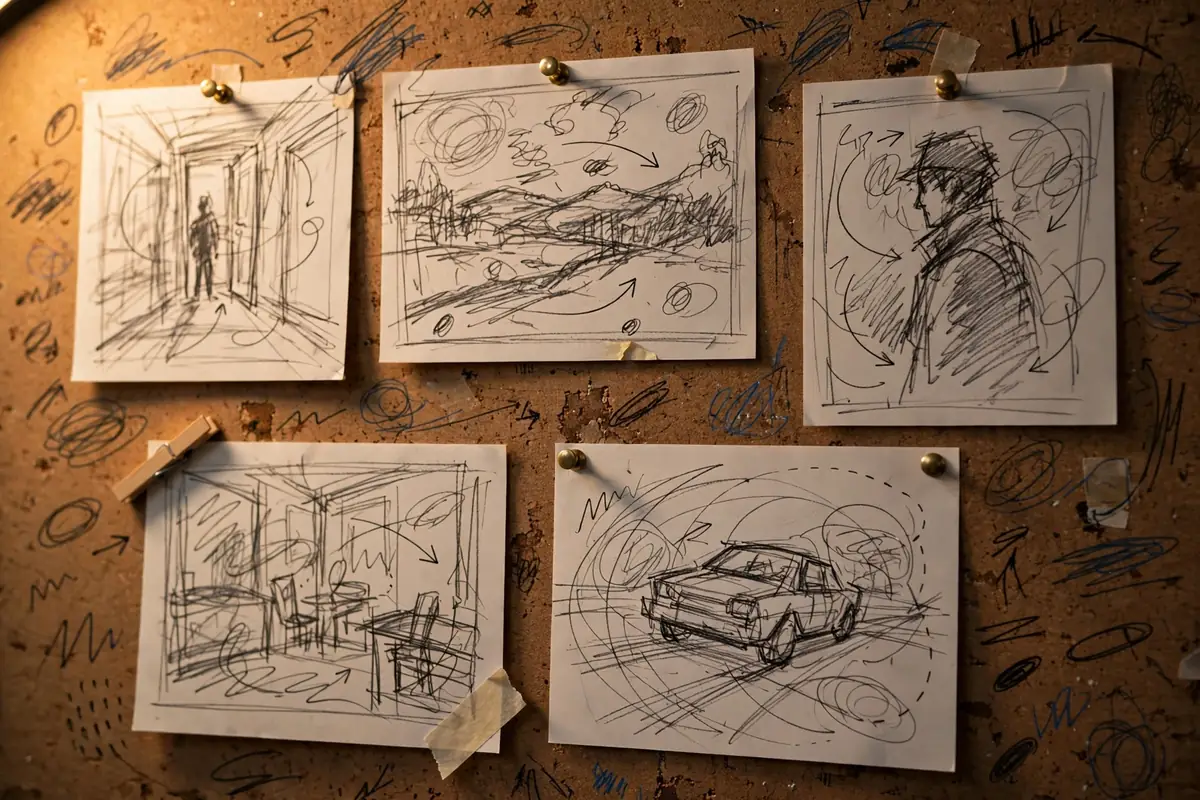
5. Adobe Premiere Pro (AI-Powered Tools): Precision Editing
Adobe has effectively integrated its “Sensei” AI into the Premiere Pro ecosystem, turning what was once a manual slog into a fluid, automated experience. The standout feature is its text-based editing; the AI transcribes your footage in real-time, allowing you to cut your film by deleting words in the transcript rather than scrubbing the timeline. Furthermore, the AI-driven color matching ensures consistency across varied lighting setups. If you are looking to learn how to summarize a document with AI: 7 steps, you will find the logic behind Adobe’s automated transcript summaries strikingly familiar and efficient for organizing long-form interview footage.
6. ElevenLabs: Adaptive Voice and Dubbing
For independent creators, the cost of professional voice talent can be a barrier to high-quality production. ElevenLabs has set the gold standard for adaptive voice generation. Whether you need a temporary “scratch track” for an edit or require professional-grade narration in multiple languages, this tool provides hyper-realistic inflection and pacing. Its ability to clone voices allows filmmakers to maintain consistency in character dialogue throughout a series without needing constant studio time.
7. Descript: Streamlined Audio and Video Editing
Descript revolutionized the NLE space by treating video editing like a Google Doc. It is particularly effective for documentaries and talking-head content. Beyond its text-based editing, its “Studio Sound” feature uses generative AI to remove background noise, echo, and room tone, effectively turning amateur home audio into a polished, studio-quality soundscape. This workflow is ideal for creators who need to pivot quickly from raw capture to a finalized narrative.
8. Topaz Video AI: Upscaling and Restoration
No post-production toolkit is complete without a solution for image quality control. Topaz Video AI is widely considered the industry leader for upscaling low-resolution footage to 4K or 8K while retaining natural texture. Its frame interpolation features can also turn 24fps footage into buttery-smooth slow motion without the typical “warping” artifacts found in standard software. It is an essential asset for filmmakers working with archival footage or those who want to improve the visual fidelity of mobile-captured assets, much like those recommended in our guide on AI tools for students: 10 free picks that help.
The Best AI Tools for Filmmakers Pre-Production Compared
While many tools handle post-production, identifying the best AI tools for filmmakers pre-production is vital for saving time and budget before the cameras ever roll. Using the best AI tools for filmmakers pre-production allows for a more rigorous creative process. Below is a comparative look at the top-tier solutions available in 2026.
| Tool | Best for | Standout Feature | Free Tier |
|---|---|---|---|
| ScriptAI | Scriptwriting | Narrative structure analysis | Limited access |
| ShotDeck AI | Visualization | Lighting prompt design | Trial available |
| Wonder Dynamics | VFX/CGI | Automated 3D character rigging | No |
| Runway Gen-3 | Video Synthesis | Hyper-realistic B-roll | Yes |
| Adobe Premiere | Precision Editing | Text-based editing | Included in CC |
| ElevenLabs | Voice/Dubbing | High-fidelity voice cloning | Yes |
| Descript | Audio Cleanup | Automated noise removal | Yes |
| Topaz Video AI | Upscaling | Frame interpolation | Trial available |
How to Choose the Right AI Stack for Your Project
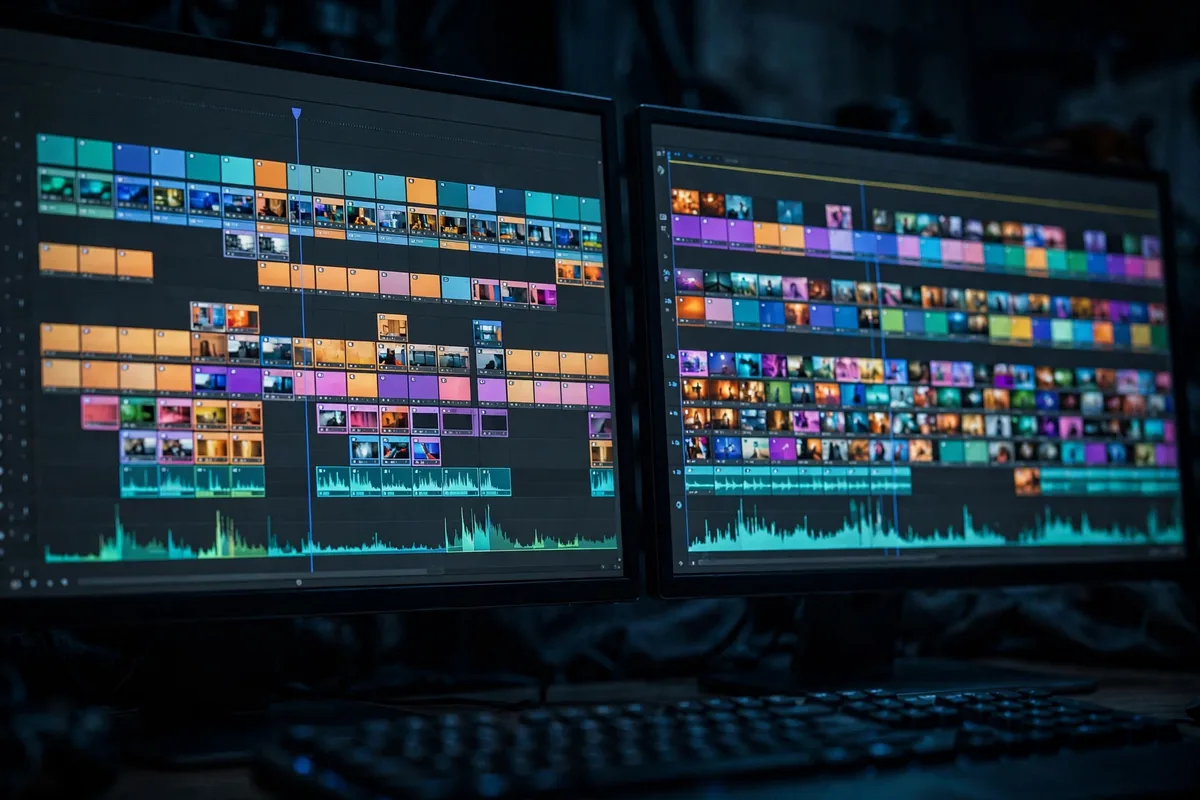
Selecting the right software depends heavily on your specific role within the production pipeline. If you are a solo creator, focusing on the best AI tools for filmmakers pre-production and editing—like ScriptAI and Descript—will provide the highest return on investment.
For larger teams, the priority shifts toward interoperability. You want a stack where your visual references from ShotDeck AI translate seamlessly into your VFX pipeline in Wonder Dynamics. Consider the learning curve of each platform; while tools like Runway offer incredible creative freedom, they require a higher technical ceiling to master. Always evaluate the export resolution and commercial rights included in each tier, as some free versions may restrict your output to lower quality or require watermarks that are unsuitable for final delivery. Balancing these tools allows you to scale your creative output without sacrificing the human element that makes storytelling resonate with an audience.
How to Choose the Right Tool for You
Selecting the right software stack is vital when integrating these systems into your production pipeline. Follow this checklist to ensure you are picking the right tools for your specific workflow:
- Assess Your Bottleneck: Don’t adopt AI for the sake of it. If your script development is slow, prioritize tools like ScriptAI. If your post-production pipeline is bogged down by VFX, look toward Wonder Dynamics.
- Hardware Compatibility: AI-heavy lifting requires serious GPU power. Before committing, check if your current machine meets the requirements listed in our Best High-Performance Workstations for Video Editors guide.
- Pipeline Integration: Ensure your chosen tools support standard formats (e.g., ProRes, BRAW) and integrate with your existing NLE.
- Learning Curve vs. Deadline: Some tools, like Runway, require significant time to master prompting. If you are on a tight deadline, prioritize user-friendly interfaces like Descript.
- Quality Requirements: For high-end commercial work, ensure your upscaling tools (Topaz) offer the specific resolution and de-noising capabilities required by your distribution platforms.
Pricing and Free Tiers: What You Really Get
Navigating subscription models can be daunting. Most of the best AI tools for filmmakers pre-production operate on a credit-based or monthly subscription system.
- Descript/Adobe: These generally follow a monthly “Pro” or “Creator” model. While Adobe is often bundled with Creative Cloud, Descript offers a limited free tier that acts as a great trial for text-based editing.
- Runway/ElevenLabs: These utilize strict credit systems. While they often offer free sign-up credits, these run out quickly if you are generating high-resolution video or long-form audio.
- Topaz Video AI: Unlike SaaS models, Topaz typically operates on a one-time perpetual license fee, which is more cost-effective for long-term editors.
- Pro Tip: Always check the Adobe help documentation or the official company support pages for “student” or “educational” pricing, which can save independent creators up to 60% on their subscription costs.
Tips to Get Professional Results
- Maintain Human Oversight: Never rely on AI to handle final color grading or narrative emotional beats. Always use these tools to augment, not replace, human intuition.
- Master the Prompt: When using visual synthesis tools, treat your prompting like a lighting diagram. Describe the lens, the focal length, and the light temperature specifically to get the best results.
- Use High-Quality Assets: AI upscaling (Topaz) can only do so much. Start with the highest bit-depth footage possible.
- Check for Artifacts: When using automated VFX, zoom in at 200% to check for “flicker” or “warping” around character edges.
- Cross-Reference Ethics: Always stay updated on copyright regulations via YouTube’s creator resources to ensure your AI-assisted content remains eligible for monetization.
FAQ
Does AI replace the need for traditional storyboarding?
While AI tools make visualization faster, they do not replace the director’s eye. The best AI tools for filmmakers pre-production serve as a rapid prototyping layer, allowing you to iterate on visual concepts before committing to expensive on-set builds.
Are AI-generated video assets copyrightable?
Current US law remains complex regarding AI-generated media. Generally, material created entirely by AI cannot be copyrighted, but when incorporated into a human-led, creative film project, the surrounding human work can be protected. Always consult with legal counsel when using AI-heavy workflows.
Do I need a top-tier PC to run these tools?
Most of the best AI tools for filmmakers pre-production are cloud-based, meaning they rely on server power rather than your local rig. However, for local post-production tools like Topaz or Premiere Pro, a powerful GPU is still essential.
Will using AI make my films look “generic”?
The “AI look” is often a result of using default prompts. To avoid this, use specific references and your own custom training data to ensure your output aligns with your unique visual identity.
Conclusion: Embracing the Future of Film
The integration of generative models into the filmmaking process is not a replacement for creativity; it is a massive expansion of the tools available to independent and professional directors alike. By adopting these technologies, you can shorten the gap between your imagination and the screen, allowing you to focus on the nuanced storytelling that makes cinema powerful.
As we look toward the future of media, the filmmakers who thrive will be those who balance technical experimentation with classic narrative fundamentals. Explore the best AI tools for filmmakers pre-production to build your customized workflow, but always remember that the technology is only as good as the vision behind it. Keep experimenting, stay updated on industry regulations, and never let the machine dictate the heart of your story.

Join the discussion
Have a question or a perspective to share?