In modern digital commerce, operating an English-only web presence places an artificial ceiling on commercial expansion. Over 75% of global internet consumers explicitly prefer purchasing products and services in their native language, with nearly 60% rarely or never purchasing from English-only websites. Historically, transforming a domestic web application or e-commerce storefront into an automated multilingual website was an excruciatingly slow, expensive endeavor. Brands had to hire professional human translation agencies, manually extract content strings into complex XLIFF files, re-code front-end CSS layouts to prevent broken text overflows, and coordinate continuous updates whenever marketing copy changed.
In 2026, generative natural language processing and advanced neural machine translation web architectures have permanently dismantled language barriers. Modern AI website translators deliver instantaneous, automated, and context-aware dynamic website localization. Unlike primitive browser widgets that blindly replace individual words with rigid dictionary equivalents, modern localization engines comprehend cultural idioms, preserve search engine optimization (SEO) architecture through automated hreflang tag deployment, and allow human-in-the-loop editorial fine-tuning. This comprehensive, research-based industry benchmark evaluates the premier AI website translation platforms of 2026 based on published technical specifications, linguistic accuracy scores, CMS integrations, and enterprise pricing models.
Commercial & Pricing Notice: Subscription pricing, translation word quotas, and monthly pageview allowances referenced across this guide reflect public vendor rate sheets at the time of publication. Localization providers update billing packages periodically; please verify live commercial terms directly on provider official websites before procurement.
The Evolution of Web Translation: From Literal Substitution to Contextual Localization
To understand why modern AI translation is revolutionary, one must examine the three technological generations of multilingual web development:
- Phase 1: Rule-Based Machine Translation (1995–2010): Early translation tools relied on static bilingual dictionaries and rigid grammatical syntax rules. Because languages possess vast structural differences, these systems produced hilariously awkward, literal translations that damaged professional brand credibility.
- Phase 2: Statistical & Early Neural Translation (2011–2022): Systems like Google Translate and DeepL introduced neural networks trained on massive parallel corpora. While sentence-level grammar improved dramatically, translation engines remained "context-blind": the software translated words without knowing whether "Apple" referred to a fruit or a multi-trillion-dollar computer company.
- Phase 3: Contextual Large Language Models & Agentic Localization (2023–2026): Modern AI website translators ingest the entire webpage DOM (Document Object Model) structure simultaneously. The AI inspects visual imagery, surrounding paragraph context, brand glossaries, and industry-specific terminology. A luxury hospitality brand receives elegant, evocative prose; an industrial B2B manufacturer receives precise technical terminology.
Furthermore, contemporary localization suites automate the technical complexities of international web development: deploying dedicated subdomains (e.g., fr.yourbusiness.com) or subdirectories (yourbusiness.com/es/), generating automated multilingual XML sitemaps, and indexing localized metadata directly into international search engines.
Key Evaluation Criteria: What Separates Great AI Translators
When selecting an artificial intelligence translation and localization platform, global marketing directors and web engineering leads must benchmark solutions against five foundational criteria:
- Linguistic Accuracy and Cultural Transcreation: Does the AI produce natural, fluent prose that resonates with local cultural sensibilities, or does it sound like a translated robot? Top-tier tools understand local currency conventions, date formats, measurement units, and culturally sensitive idioms.
- Technical Multilingual SEO Architecture: Search engines like Google, Baidu, and Yandex require specific technical structures to index translated pages properly. High-performing platforms automatically inject server-side rel="alternate" hreflang="xx" tags, translate image alt attributes, and generate localized URL slugs.
- Visual In-Context Translation Editor: Because words expand or contract across languages (German sentences, for example, are typically 30% longer than English equivalents), translated text can break button containers and menu headers. An in-context visual editor lets designers adjust font scaling and layout margins directly on the live website.
- Glossary and Brand Voice Governance: Enterprises require strict control over proprietary terminology. Platforms must allow teams to define "Never Translate" lists (protecting brand names and trademarks) and mandatory custom translation dictionaries.
- Automation of New Content Detection: Whenever you publish a new blog post or update a product description in your primary language, the system should detect the modification, translate the new content automatically, and deploy it to all international versions without manual developer intervention.
Comprehensive Feature Comparison Matrix: Leading AI Website Translators
The table below provides a structured technical comparison of the premier AI website translation platforms in 2026, comparing their integration methods, translation engines, SEO automation, and starting pricing tiers based on published specifications.
Platform Name | Integration Method | Underlying AI Engine | Server-Side SEO Rendering | Visual In-Context Editor | Automatic Content Detection | Starting Commercial Tier |
Weglot | DNS Subdomains / Reverse Proxy / JavaScript | Hybrid (DeepL, Google Translate, Microsoft, LLM refinement) | Yes (Pre-rendered server-side for Google Indexing) | Yes (Live visual webpage click-and-edit) | Yes (Instant automatic detection) | Free trial; Starter plan starts at ~$15/month |
Lokalise (Web & App) | API, CLI, GitHub, Figma, CMS connectors | Custom Neural MT + Anthropic & OpenAI LLM workflows | Yes (Full headless and dynamic integration) | Yes (Design-stage and web previews) | Yes (Automated CI/CD localization pipelines) | Free trial; Growth tier starts at ~$120/month |
Transifex (Transifex Live) | JavaScript SDK & File Connectors | DeepL, ModernMT, Google Cloud Translation, LLM layer | Yes (Server-side rendering via CDN edge) | Yes (In-context web editor) | Yes (Continuous localization sync) | Starter plan starts at ~$70/month (billed annually) |
Localize | JavaScript Snippet / Edge CDN Worker | Google Cloud Translation, Amazon Translate, DeepL | Yes (Through server-side proxy integration) | Yes (Visual page-level editor) | Yes (Detects DOM text changes automatically) | Custom enterprise quotes; pilot tiers available |
Bablic | Single Line of JavaScript Code | Machine translation with manual editor overrides | Yes (SEO add-on for subdirectories/subdomains) | Yes (Click-and-type on live website) | Yes (Automatic new content alerts) | Basic plans start around ~$24/month |
TranslatePress (WordPress / WooCommerce) | Native WordPress Plugin | DeepL & Google Translate API keys directly | Yes (100% server-side native WordPress tables) | Yes (Customizer visual front-end editor) | Yes (Translates entire page output directly) | Annual license starts around ~$99/year |
Note: Subscription pricing, hosted word limits, and translation engine API costs are subject to change. Consult vendor websites for live enterprise quotations.
In-Depth Reviews of the Top 5 Localization Platforms
1. Weglot: The Undisputed All-Around Industry Benchmark
Weglot has established itself as the undisputed leader in turn-key website localization, powering thousands of global brands across Shopify, WordPress, Webflow, and custom React applications. What makes Weglot extraordinary is its ability to deliver a completely localized, SEO-ready website in under five minutes.
Weglot connects at either the DNS level (creating dedicated subdomains like es.brand.com) or via simple integration plugins. It automatically scans your entire website, detects every paragraph, button label, checkout error message, and image alt tag, and translates the content using an ensemble of DeepL, Google Translate, and custom LLM polish. Crucially, Weglot pre-renders translated HTML on the server before serving it to visitors, ensuring that Google’s international search crawlers can index every localized page immediately with perfect hreflang tags. Its visual in-context editor lets your international team browse your live French or German website, click on any awkward sentence, and edit it directly on screen.
2. Lokalise: The Developer-First Enterprise Localization Hub
For modern technology startups, SaaS applications, and enterprise organizations managing digital products across both mobile apps (iOS/Android) and web applications, Lokalise is the definitive localization hub. Unlike lightweight translation widgets, Lokalise is an enterprise translation management system (TMS).
Lokalise integrates directly into developers' GitHub or GitLab CI/CD pipelines. When software engineers add a new feature branch, Lokalise automatically extracts the new text strings, routes them through customized AI translation models fine-tuned on your company's glossary, and submits a pull request with the completed translations before the feature ships to production. It also connects with Figma, allowing UX designers to preview how German or Japanese text will fit inside mobile buttons during the design phase. For agile product teams, Lokalise provides unmatched technical control.
3. Transifex: The Continuous Content Localization Powerhouse
Transifex is a stalwart in enterprise content localization, trusted by global technology giants like Eventbrite, HubSpot, and Vodafone. Transifex specializes in high-velocity content operations where documentation, blogs, knowledge bases, and user dashboards update daily.
Through its Transifex Live product, non-technical marketing teams can localize web pages by simply pasting a single JavaScript snippet into their header. Transifex monitors the live DOM, detecting content edits the instant they are published and triggering automated neural machine translation workflows. It includes sophisticated translation memory (TM) algorithms: if you update a 500-word blog post by changing only two sentences, Transifex translates only the two modified sentences, preventing you from paying twice for previously translated content.
4. TranslatePress: The Ultimate Sovereign WordPress Solution
For businesses operating on WordPress and WooCommerce who refuse to rely on third-party cloud translation proxies, TranslatePress provides a completely self-hosted, sovereign solution. Unlike cloud SaaS tools that charge recurring monthly fees based on pageviews, TranslatePress lives entirely inside your own WordPress database.
TranslatePress integrates directly with DeepL and Google Translate APIs, allowing you to translate your entire website automatically for the raw cost of the API tokens. The plugin renders all translated text server-side directly within your WordPress database tables, ensuring blazing-fast loading speeds and full compatibility with caching plugins like WP Rocket. It features an intuitive WordPress Customizer visual editor, allowing you to click on any element—including complex WooCommerce checkout fields and slider text—and adjust wording on the fly. For WordPress and WooCommerce store owners, TranslatePress delivers extraordinary long-term value.
5. Localize: Enterprise Security and Headless Architecture
Localize caters to enterprise corporations, healthcare systems, and financial institutions that demand rigorous compliance standards, SOC 2 Type II certification, and seamless integration with complex single-page web applications (SPAs) built with React, Angular, and Vue.
Localize operates via modern Edge CDN workers, translating dynamic user interfaces and personalized customer dashboard data in real time with sub-50-millisecond latency. Its administrative suite provides role-based access control (RBAC), multi-tiered audit approval logs, and seamless integration with professional human translation review services. If your web application processes sensitive customer data and requires strict compliance alongside dynamic localization, Localize is a premier enterprise contender.
Actionable Best Practices: Maximizing Multilingual SEO Performance
Translating web copy into foreign languages is only half the battle; ensuring that international customers find your pages on Google Search requires strict technical SEO discipline:
1. Enforce Server-Side Rendering (Never Pure Client-Side JavaScript)
Free, basic translation widgets (like legacy Google Website Translator dropdowns) execute purely on the client side inside the visitor's browser. When Google’s search crawler visits your URL, it sees only your English HTML code, completely ignoring the translated JavaScript text. To rank in international search results, always use platforms (like Weglot, TranslatePress, or Lokalise) that pre-render translated HTML server-side before serving the page.
2. Deploy Accurate Hreflang Tag Headers
Without proper international tags, search engines will penalize your localized pages for duplicate content. Ensure your platform automatically outputs bidirectional hreflang tags in the HTML <head>:
<link rel="alternate" hreflang="en" href="https://yourbrand.com/about" />
<link rel="alternate" hreflang="es" href="https://es.yourbrand.com/about" />
<link rel="alternate" hreflang="x-default" href="https://yourbrand.com/about" />
3. Maintain Brand Glossaries and Exclusion Rules
Never allow an AI engine to translate your brand name, trademarks, or proprietary product names. If your company is named "Crown Cloud Solutions," an unmonitored AI translator might translate "Crown" into "Corona" in Spanish or "Couronne" in French, destroying brand recognition. Always configure strict "Never Translate" rules across your platform’s administrative dashboard.

Frequently Asked Questions (FAQ)
Does Google Search penalize websites that use AI-translated content?
No. Google Search officially clarified its stance on automated translation: Google evaluates content based on usefulness, factual accuracy, user engagement, and quality rather than whether it was produced by a human or a machine. However, publishing low-quality, unreviewed machine translations that contain grammatical nonsense or broken formatting will harm your search rankings. Utilizing modern neural AI with human editorial review is fully compliant with Google guidelines.
What is the difference between translation and localization?
Translation is the literal conversion of text from one language to another. Localization (often abbreviated as l10n) goes much deeper: it adapts the entire user experience to local cultural expectations, converting currencies (USD to EUR), measurement systems (miles to kilometers), date formats (MM/DD/YYYY to DD/MM/YYYY), payment gateways (offering iDEAL in the Netherlands or Pix in Brazil), and modifying imagery to reflect regional demographics.
Which AI translation engine is more accurate: DeepL or Google Translate?
In standardized linguistic benchmarks and professional human evaluation, DeepL consistently outperforms Google Translate in European languages (Spanish, German, French, Italian, Polish), producing more natural, nuanced, and idiomatic phrasing. However, Google Translate retains superior coverage and accuracy across Asian, African, and Middle Eastern languages where DeepL’s training data is more limited.
Can AI website translators translate text embedded inside images?
Standard translation tools cannot modify pixel data inside flattened JPEG or PNG images directly. However, platforms like Weglot and Localize feature "Media Replacement" tools: you can upload an alternate Spanish graphic, and the platform will automatically swap the image whenever a visitor views the Spanish version of your website.
How do website translators handle right-to-left (RTL) languages like Arabic and Hebrew?
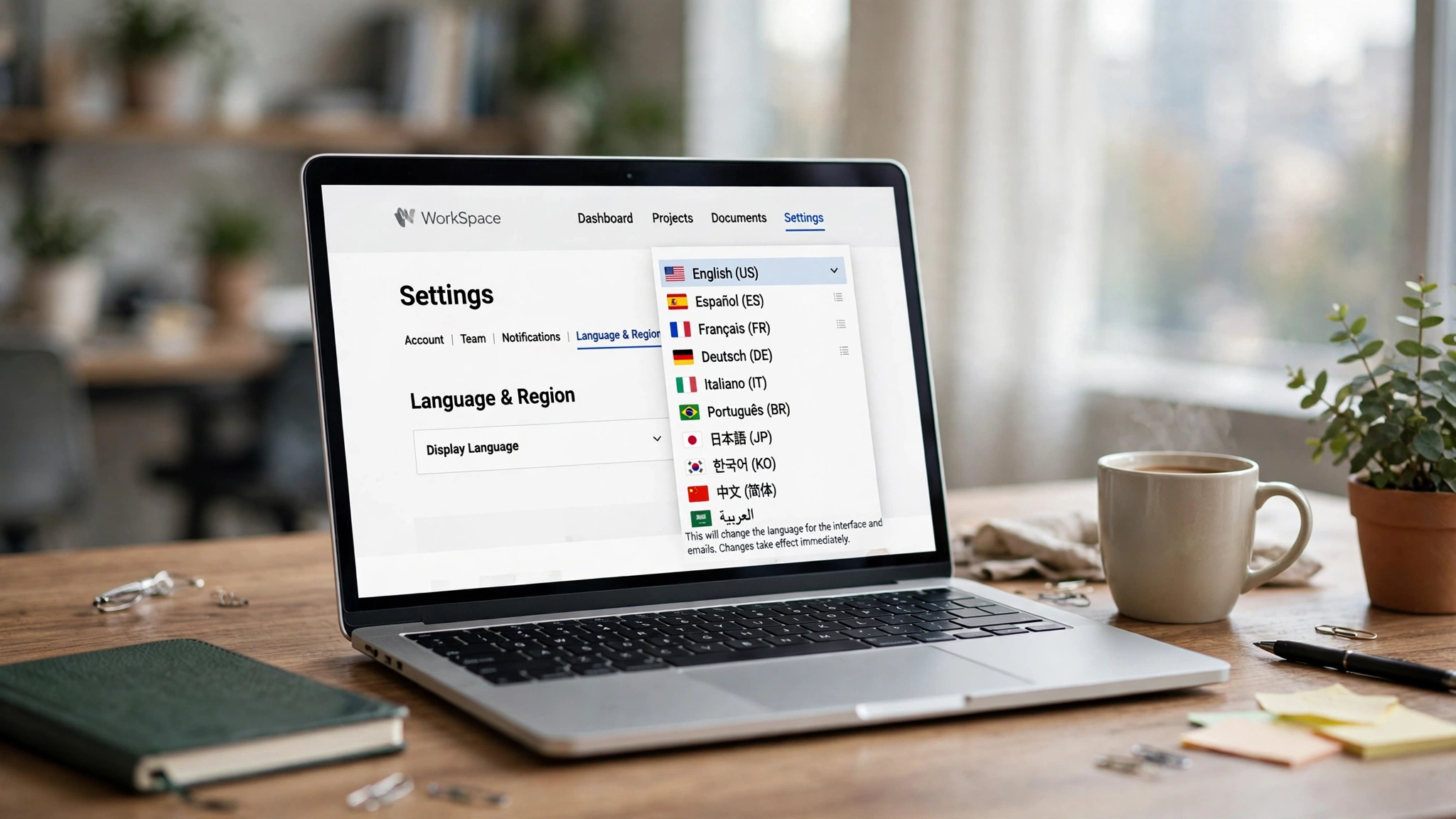
Right-to-left languages require mirroring your website's CSS layout (menus, text alignment, button placements). Premier platforms like Weglot and Lokalise automatically inject dir="rtl" attributes and adjust CSS stylesheets to ensure Arabic and Hebrew layouts render with correct visual hierarchy.
Do I need to hire human translators if I use an AI website translator?
For 90% of standard website content (such as FAQ pages, product specs, and blog posts), modern neural AI translations are remarkably accurate out of the box. However, for critical conversion touchpoints—such as your primary homepage hero copy, legal terms of service, and checkout flows—having a native human editor spend two hours reviewing the AI’s draft ensures absolute cultural resonance and legal precision.
Conclusion: Unlocking Global Growth Through Intelligent Localization
The global marketplace is vast, diverse, and overwhelmingly non-English speaking. Leaving your commercial website locked in a single language artificially shrinks your addressable market and surrenders international customers to regional competitors.
By empowering your digital storefront with modern AI website translators—leveraging the turn-key elegance of Weglot, the developer power of Lokalise, the continuous sync of Transifex, or the sovereign freedom of TranslatePress—you can transform a domestic website into a global commercial powerhouse in an afternoon. In modern e-commerce, speaking your customer’s native language is no longer an optional luxury; it is the definitive foundation of global business success throughout 2026.