Ads Are Coming to ChatGPT Images: What Changes
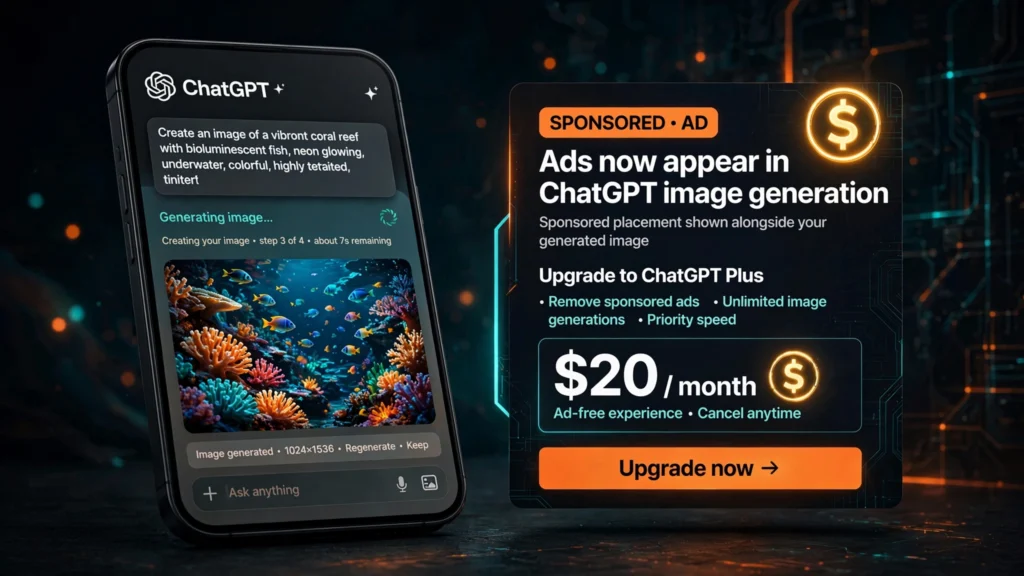
OpenAI is officially expanding its advertising footprint within its flagship AI platform. On October 5, 2026, the company announced that it will begin testing visual ads specifically during the image-generation process in ChatGPT. This move marks a significant evolution in how the platform generates revenue from its massive user base, which now reaches 1.2 billion weekly users. The test is scheduled to begin in the United States later in October 2026, targeting a specific group of advertisers before a potential wider rollout.
For users who have grown accustomed to the clean, minimalist interface of ChatGPT, this change represents a shift in the user experience. Since the first ChatGPT ads launched in February 2026—initially appearing as sponsored units under text-based answers—OpenAI has been careful to balance monetization with utility. The new visual ads specifically target the moments when a user requests an image through DALL-E integration, placing brand content in the immediate vicinity of the AI-generated results.

What Exactly Changes in the Image-Generation Workflow
The core functionality of image generation within ChatGPT remains the same: users enter a prompt, and the AI produces a visual response. However, the visual layout of the interface is being modified to accommodate sponsored content. OpenAI has stated that these ads will appear beside the image being created. This is a critical distinction for users concerned about the integrity of the AI’s output. The ads are not embedded inside the generated image itself, nor do they overlay the AI’s work. Instead, they occupy a separate, clearly labeled space on the screen.
When a user initiates a prompt like “Create a futuristic mountain bike in a neon city,” the AI will process the request as usual. As the image renders or once it appears, a sponsored unit from a relevant or general advertiser will appear in the adjacent margin. OpenAI emphasizes that these units are clearly labeled to ensure users can distinguish between the AI’s creative output and the paid placement. This separation is intended to maintain the “helpful assistant” feel of the platform while providing a new revenue stream for the company.
The workflow change also introduces a slight shift in visual attention. Previously, the generated image was the sole focus of the UI. With the introduction of these ads, the interface becomes a multi-element display. For advertisers, this provides a high-intent environment where users are already engaged with visual content. For users, it means the workspace will feel slightly more crowded, similar to how modern search engines or social media feeds display content alongside promotional material.
OpenAI has also integrated “Negative Phrases” for advertisers. This feature allows brands to specify certain terms or contexts where they do not want their ads to appear. If a user’s image prompt includes these phrases, the ad system will skip that placement. This is designed to prevent awkward or inappropriate brand associations, ensuring that the ad delivery system respects the context of the user’s creative session.
Who Sees Ads: The Tier Breakdown
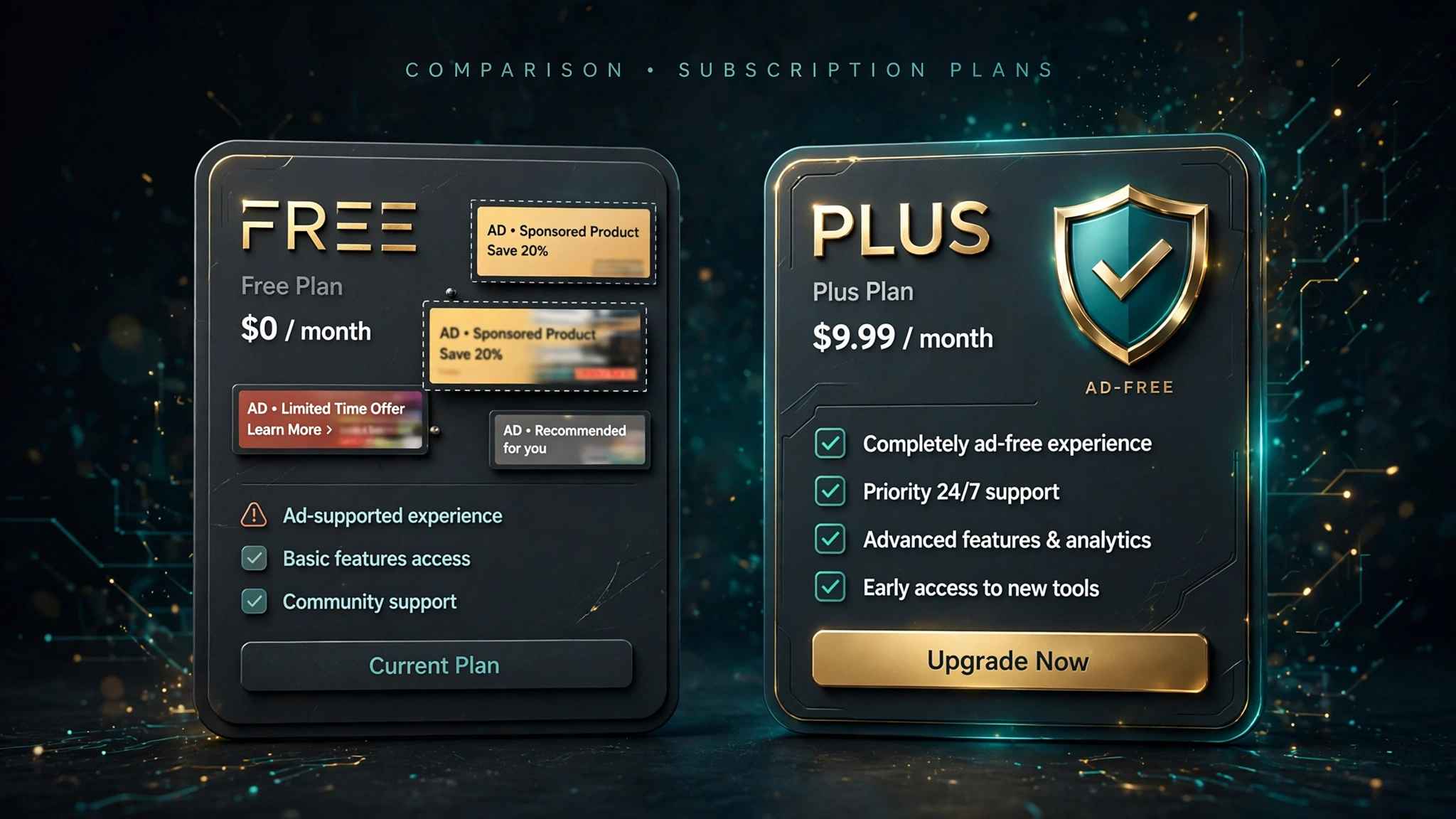
Not every ChatGPT user will encounter these new image-based ads. OpenAI is maintaining a clear distinction between its free/entry-level tiers and its premium subscription services. The advertising test is restricted to the Free tier and the “Go” tier, which is a mid-range subscription priced at $8 per month. Users on higher-end plans will continue to experience an ad-free environment, which OpenAI positions as a primary benefit of those subscriptions.
The following table outlines which ChatGPT tiers are included in the advertising program and which remain ad-free:
| Subscription Tier | Monthly Cost (USD) | Ad Status (Image Generation) |
|---|---|---|
| Free | $0 | Ads Enabled |
| Go | $8 | Ads Enabled |
| Plus | $20 | No Ads |
| Pro | $200 | No Ads |
| Business | Varies | No Ads |
| Enterprise | Varies | No Ads |
This tiered approach allows OpenAI to monetize its most expensive-to-run services—high-compute image generation—for users who do not pay a premium subscription fee. By including the $8 “Go” tier in the ad-supported group, OpenAI is signaling that the costs of maintaining a massive AI infrastructure require multiple revenue streams beyond basic subscriptions. Users who prioritize a distraction-free creative process are encouraged to move to the Plus or Pro tiers. You can find more information on various AI tools and updates at DroidOrbit.com.
Furthermore, OpenAI has implemented age-based restrictions. Users who are believed to be under the age of 18 will not be served advertisements. This is part of a broader safety and compliance strategy to protect younger audiences from commercial targeting within an educational or creative tool. The system uses account data and behavioral signals to determine eligibility for ad delivery.
What OpenAI Promises vs. What to Watch
With any introduction of advertising into a private conversational space, concerns regarding privacy and bias are inevitable. OpenAI has been proactive in addressing these issues by setting strict boundaries between the advertising engine and the core AI model. One of the most significant promises made by the company is that advertising does not influence ChatGPT’s answers. Advertisers cannot pay to shape, rank, or alter the responses generated by the AI.
This means if a user asks for “the best smartphone for photography,” an advertiser cannot pay to ensure their brand is mentioned in the text response or depicted in a generated image. The AI’s “brain” remains separate from the ad-serving logic. The ads are served based on the context of the session but do not inject themselves into the logic of the DALL-E model or the GPT language model. Conversations also remain private from advertisers; while an ad might be served based on a prompt, the advertiser does not receive a transcript of the user’s conversation or personal identity details.
However, users should watch how “contextual relevance” evolves. While OpenAI claims advertisers cannot shape responses, the system still needs to decide which ad to show. If you are generating images of hiking gear, you are likely to see ads for outdoor retailers. The “guardrails” OpenAI mentioned are also a point of interest. The company stated that ads will be blocked in “emotionally vulnerable or sensitive contexts.” Defining these contexts is a complex task for an automated system. For example, if a user is generating images related to medical conditions or personal tragedies, the system is designed to suppress ad delivery to maintain a respectful environment.
The effectiveness of these guardrails will be a major talking point as the October 2026 test proceeds. If the system fails to recognize a sensitive context, it could lead to “brand safety” issues for the advertiser and a negative experience for the user. OpenAI is relying on its internal safety filters to manage this, but the real-world application across millions of prompts will be the ultimate test of this technology. For those looking for the latest tech news on AI developments, visiting DroidOrbit’s ChatGPT coverage can provide ongoing updates.
The Advertiser Side: Measurement and Results
For the initial group of advertisers participating in the October 2026 test, OpenAI has assembled a suite of measurement and brand safety partners. This is a move to professionalize its ad platform and compete with established giants like Google and Meta. The partners involved cover various aspects of the digital advertising ecosystem, from ensuring ads appear in safe environments to tracking whether an ad actually led to a purchase.
The named measurement partners include:
- DoubleVerify and Integral Ad Science (IAS): These partners focus on brand safety and viewability. They ensure that ads are seen by real humans and that they do not appear next to content that violates brand standards.
- Hightouch, Tealium, and LiveRamp: These companies handle conversion data. They help advertisers understand if a user who saw an ad in ChatGPT eventually took an action, such as signing up for a newsletter or making a purchase on the advertiser’s website.
OpenAI has already shared some preliminary results from its early ad units (the sponsored text links launched in February). It is important to note that these are advertiser-claimed results and have not been independently verified by third-party auditors. For instance, WeightWatchers claimed a 15.3% lower Cost Per Acquisition (CPA) compared to their traditional paid search campaigns. Similarly, Portland Leather claimed that 93% of the traffic they received through ChatGPT ads consisted of new visitors who had never interacted with the brand before.
These claims suggest that the ChatGPT audience is highly engaged and potentially more receptive to new brands than users on traditional search engines. Because users are often in a “discovery” or “creation” mode when using ChatGPT, advertisers view this as prime real estate for capturing attention. The “Negative Phrases” tool mentioned earlier is also a major selling point, as it gives advertisers more control over their brand’s proximity to specific AI-generated topics than they might have on more chaotic social media platforms.
Ad-Free Alternatives: Paid Tiers and Rival Tools
For users who find the introduction of ads to be a deal-breaker, there are several paths to maintaining an ad-free image generation experience. The most direct route is upgrading within the OpenAI ecosystem. As mentioned in the tier breakdown, the Plus, Pro, Business, and Enterprise plans remain completely free of advertisements. At $20 per month for the Plus plan, users get not only an ad-free experience but also higher usage limits for DALL-E 3 and access to the latest model iterations.
Beyond OpenAI, the AI image generation market is highly competitive, and several alternatives do not currently utilize an ad-supported model in the same way:
- Midjourney: Widely considered the leader in high-fidelity AI art, Midjourney operates on a strictly subscription-based model. There are no ads in the interface, and the generation process happens primarily through Discord or a dedicated web alpha.
- Stable Diffusion (Local): For users with powerful hardware, running Stable Diffusion locally is the ultimate way to avoid ads and subscription fees. Since the software runs on the user’s own GPU, there is no corporate entity inserting ads into the workflow.
- Adobe Firefly: Integrated into Creative Cloud, Firefly offers image generation that is professionally oriented. While it requires a subscription, it does not serve external ads within the creative workspace.
- Canva Magic Media: Canva offers AI generation tools that are included in their Pro subscriptions. While the free version of Canva has some promotional elements for its own services, it does not currently serve third-party visual ads during the AI generation process in the same manner as ChatGPT’s new test.
The shift toward ads in ChatGPT reflects a broader trend in the AI industry. As the “honeymoon phase” of free, unlimited AI access ends, companies are looking for sustainable ways to fund the massive electricity and hardware costs associated with these models. While some users will naturally migrate to paid tiers to avoid ads, others may look toward open-source or specialized creative tools that prioritize the user experience over mass-market monetization.
Frequently Asked Questions
Will ads appear inside the images I download?
No. OpenAI has stated that ads will appear beside the image being created, not inside the image itself. When you download or save an image generated by ChatGPT, it will not contain any advertising watermarks or sponsored content. The ads are part of the user interface, not the output file.
Can I turn off ads if I am on the Free or Go tier?
There is no setting to disable ads on the Free or Go ($8/month) tiers. To remove advertisements from the ChatGPT experience, users must upgrade to the Plus ($20/month), Pro, Business, or Enterprise tiers. OpenAI uses advertising to subsidize the cost of providing AI services to non-premium users.
Do advertisers see my prompts or personal data?
OpenAI maintains that conversations stay private from advertisers. While an ad might be served based on the context of your current session (contextual advertising), the advertiser does not receive your prompt history, your name, or other identifying personal information. The system acts as a middleman to protect user privacy.
Why did OpenAI start showing ads in ChatGPT?
The primary reason is the high cost of running large language models and image generators. With over 1.2 billion weekly users, the infrastructure requirements are immense. OpenAI began its advertising journey in February 2026 with sponsored text units and is now expanding to visual ads to create a sustainable business model for its free and low-cost tiers.
Are the ads relevant to what I am prompting?
Yes, the ads are designed to be contextually relevant. If you are prompting for images of kitchen designs, you might see ads for home improvement stores or appliance brands. However, OpenAI has implemented guardrails to ensure ads do not appear in sensitive or emotionally vulnerable contexts.
The Verdict: A Necessary Evil for Free AI?
The introduction of ads to ChatGPT’s image generation workflow is a landmark moment for OpenAI. It signals the end of the “pure” utility era for free users and the beginning of a more traditional, ad-supported digital media model. For the average user on the Free tier, the change is likely a small price to pay for continued access to one of the world’s most advanced AI models. The fact that ads remain separate from the actual images and do not influence the AI’s logic is a crucial win for maintaining the platform’s integrity.
However, the inclusion of the $8 “Go” tier in the ad-supported group may frustrate some paying customers who expected a commercial-free experience for their monthly fee. This move clearly positions the $20 Plus tier as the “standard” professional experience, with anything below it being subject to monetization. As the test rolls out in late October 2026, the tech community will be watching closely to see if the “contextual relevance” OpenAI promises stays helpful or becomes a distraction.
For now, the impact is limited to the US and a select group of advertisers. But if the claimed results from brands like WeightWatchers and Portland Leather hold true across a wider pool, it won’t be long before visual ads become a permanent fixture of the ChatGPT landscape. Users who value a clean, focused environment should consider this the final nudge to explore premium subscriptions or alternative tools before the rollout expands globally.