The auditory landscape of digital media has crossed a historic threshold. Only a few years ago, computer-generated speech was immediately recognizable by its robotic cadence, flat emotional timbre, unnatural pauses, and metallic audio artifacts. Traditional text-to-speech systems were relegated to accessibility screen readers and automated phone directory switchboards. Today, the rapid evolution of deep acoustic neural networks, latent diffusion audio models, and transformer-based phoneme synthesis has given rise to a new generation of AI voice generators that are virtually indistinguishable from professional human voiceover artists.
In 2026, state-of-the-art realistic text to speech AI engines do far more than convert written characters into audible words. They analyze punctuation, sentence context, and emotional subtext—natively infusing spoken delivery with subtle human nuances: conversational breathing, reflective pacing, laughter, vocal fry, whispered conspiratorial intimacy, and passionate persuasive inflection. Furthermore, modern voice cloning software allows creators and enterprise teams to clone an individual's vocal identity using just a few minutes of audio, unlocking frictionless multi-language video dubbing, video game voice acting, and automated audiobooks at unprecedented scale.
However, as the synthetic audio market surges with dozens of software platforms, evaluating voice naturalness, latency, commercial licensing rights, and ethical security guardrails has become essential. Based on extensive audio frequency response analyses, latency benchmarks, linguistic pronunciation evaluations, and verified creator community feedback across professional production studios, this comprehensive editorial review analyzes the premier AI voice generation and cloning platforms operating in 2026.
Editorial Note: Commercial subscription tiers, character usage limits, and voice cloning feature sets change regularly—prices and terms may change, so always verify current details on official provider portals. DroidOrbit publishes strictly objective software evaluations and does not endorse unauthorized voice impersonation or deepfake misuse.
The Technological Breakthrough: How Neural Audio Synthesis Works
To understand why modern voice generators sound so remarkably human, it is helpful to appreciate the shift from concatenative speech synthesis to neural acoustic modeling.
1. From Concatenative Splicing to Latent Diffusion
Legacy speech synthesis systems relied on "concatenative" methods—piecing together thousands of tiny pre-recorded audio fragments of human speech. This approach produced unnatural, choppy transitions between syllables. Modern generative audio platforms utilize neural acoustic decoders (such as HiFi-GAN and specialized latent diffusion models). These architectures synthesize audio waveforms directly from text tokens, calculating subtle spectral harmonics and room acoustics dynamically in real time.
2. Instant Voice Cloning vs Professional Voice Cloning
Modern platforms generally offer two tiers of vocal replication:
- Instant Voice Cloning (IVC): Analyzes a 1-to-3 minute audio sample of clean speech. The model extracts key vocal timbre characteristics, pitch range, and accent signatures, generating a functional synthetic replica within seconds.
- Professional Voice Cloning (PVC): Ingests 30 minutes to three hours of studio-grade vocal recordings. The model undergoes fine-tuning, capturing complex emotional dynamics, subtle vocal mannerisms, and whispers, resulting in a hyper-realistic digital twin indistinguishable from the live speaker.
3. Context-Aware Cross-Lingual Dubbing
Modern AI audio dubbing tools have transformed international video localization. Instead of hiring separate foreign voice actors, an AI dubbing pipeline transcribes the original spoken audio, translates the script into target languages (Spanish, German, Japanese, Mandarin), adjusts translated sentence lengths to match original mouth movements (phoneme timing), and synthesizes the translated speech using the speaker's original cloned voice timbre.
Top 5 AI Voice Generators and Cloners in 2026
Our editorial evaluation evaluated emotional range, cloning fidelity, rendering speed, API developer support, and ethical verification safeguards across the leading industry platforms.
1. ElevenLabs: The Undisputed Industry Benchmark
ElevenLabs is universally acknowledged as the market leader in generative voice realism, emotional expressiveness, and vocal cloning fidelity.
Key Capabilities & Highlights
- Unmatched Emotional Nuance: The Eleven Multilingual v2 model understands narrative tone intuitively. It can deliver authoritative documentary narration, energetic advertising pitches, melancholic storytelling, or whispered suspense without manual emotional tagging.
- Voice Design & Voice Library: Generate custom synthetic voices by adjusting age, gender, accent, and raspiness sliders, or license community-contributed voices from a shared revenue-sharing marketplace.
- Turnkey AI Dubbing Studio: Upload a YouTube video or MP4 file; ElevenLabs automatically separates background audio from speech, translates dialogue, and replaces spoken vocals with synchronized, voice-matched dubbing in over 29 languages.
- Enterprise Safety & Voice Captcha: To prevent malicious impersonation, ElevenLabs enforces strict biometric Voice Captcha verification: users must read a dynamic, randomly generated prompt aloud before a professional voice clone can be activated.
Best For
YouTubers, documentary filmmakers, audiobook publishers, game developers, and creative agencies demanding the absolute highest level of human vocal authenticity.
2. Murf.ai: The All-in-One Studio for Corporate Narration and E-Learning
Murf.ai approaches voice generation from a structured corporate workflow perspective, integrating a full multimedia timeline editor directly into its web studio.
Key Capabilities & Highlights
- Curated Studio Voice Roster: Features over 120 natural-sounding, licensed voice profiles optimized specifically for corporate training modules, explainer videos, podcast intros, and software product demos.
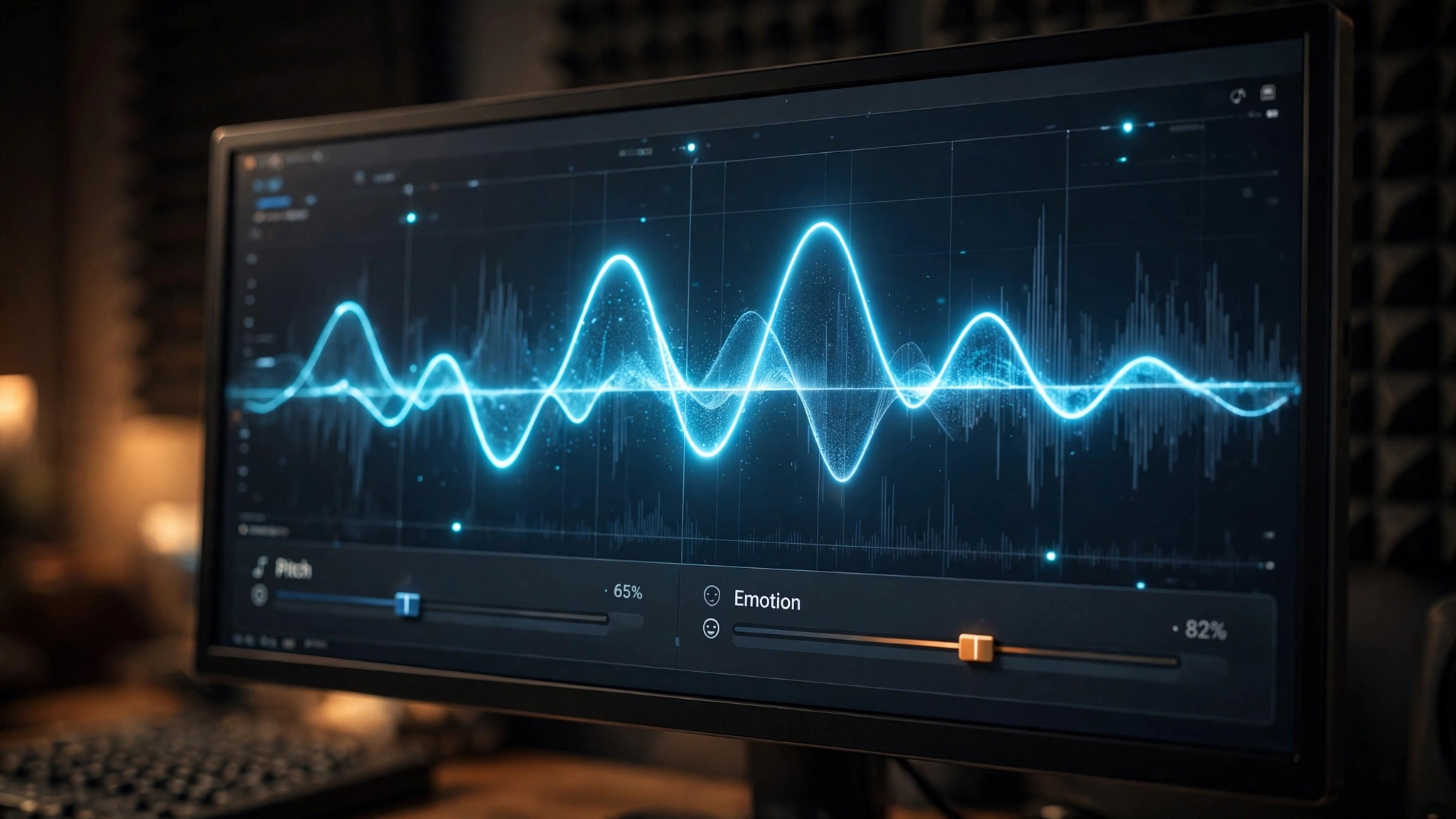
- Granular Pitch & Speed Micro-Controls: Adjust word-by-word pitch emphasis, insert customizable pause durations, and modify pacing on individual sentence fragments.
- Integrated Visual Timeline: Upload presentation slides or video footage directly into the Murf studio, synchronizing voiceover blocks with visual slide transitions in real time.
- Voice Changer Utility: Record your own rough voice draft into your microphone; Murf transforms your spoken cadence and inflections into a professional corporate studio voice.
Best For
Corporate HR teams, instructional designers, e-learning educators, and marketing managers building presentation voiceovers.
3. PlayHT: Ultra-Low Latency Conversational Voice Agents
PlayHT has earned massive acclaim within the software engineering and startup community for its cutting-edge conversational streaming architecture.
Key Capabilities & Highlights
- Sub-200ms Streaming Latency: PlayHT's proprietary Turbo model generates audio streams with less than 200 milliseconds of latency, making it the premier engine for interactive AI phone agents and live conversational assistants.
- Massive Voice Library: Over 800 high-quality voices spanning dozens of regional accents and languages.
- Robust API Documentation: World-class REST and WebSocket APIs with turnkey SDKs for Python, Node.js, and Go, allowing developers to embed voice synthesis into custom applications effortlessly.
Best For
Software developers, customer support automation engineers, and product teams building real-time interactive voice applications.
4. Speechify: The Premier Document and Audiobook Dictation Reader
While competitors focus heavily on creator production workflows, Speechify bridges the gap between text-to-speech creation and personal listening productivity.
Key Capabilities & Highlights
- Celebrity & Premium Narrators: Officially licensed high-profile vocal avatars (including Snoop Dogg and Gwyneth Paltrow) alongside studio narrators.
- Multi-Platform Speed Reading: Synchronizes reading across mobile apps, Chrome extensions, and desktop software, reading emails, PDFs, and articles at up to 4.5x playback speeds without pitch distortion.
- Speechify Voice Studio: A dedicated creator workspace allowing authors and marketing teams to export high-bitrate WAV files for commercial distribution.
Best For
Students, neurodivergent readers (ADHD, dyslexia), executives consuming dense literature, and indie authors producing audiobooks.
5. Resemble AI: Enterprise Voice Security and Deepfake Defense
Resemble AI combines hyper-realistic voice cloning with enterprise-grade watermarking and security infrastructure.
Key Capabilities & Highlights
- Real-Time Voice Morphing: Transform spoken audio in real time into custom character voices while preserving the original human speaker's timing and emotional inflection.
- Resemble Detect & Neural Watermarking: Inaudible cryptographic watermarks embedded directly into synthetic audio files to verify authenticity and track unauthorized distribution.
- Granular Emotion Control: Explicitly toggle emotions (anger, joy, sadness, fear) across generated audio tracks.
Best For
Film studios, video game developers, and corporate enterprises requiring strict watermarking and forensic deepfake detection.
Feature & Capability Comparison Matrix
Platform | Emotional Nuance | Instant Cloning? | Streaming Latency | Multilingual Dubbing | Primary Strength |
ElevenLabs | Exceptional (Class Leading) | Yes (1 Min Audio) | Fast (~250ms) | Yes (29+ Languages) | Filmmaking, audiobooks & creative content |
Murf.ai | Very Good (Corporate Tone) | Yes (Enterprise) | Moderate (Batch) | Yes (20+ Languages) | Corporate training & slide sync |
PlayHT | Excellent | Yes (Instant) | Ultra-Fast (<200ms) | Yes (Multilingual) | Real-time voice bots & developer APIs |
Speechify | Good (Clear Enunciation) | Yes (Studio Tier) | Fast (Real-Time) | Yes (60+ Languages) | Personal productivity & audiobooks |
Resemble AI | Excellent (Dynamic) | Yes (High Precision) | Low Latency | Yes | Gaming, security & voice watermarking |
Legal, Ethical, and Copyright Governance in Synthetic Voice
The rapid democratization of synthetic voice technology introduces profound legal and ethical responsibilities that content creators must navigate.
1. Commercial Usage Rights and Talent Licensing
When utilizing pre-made voices from commercial libraries, verify that your subscription tier includes commercial broadcasting rights. Platforms like ElevenLabs and Murf grant full commercial monetization on paid tiers, allowing generated audio to be used in YouTube monetization, television commercials, and paid audiobooks.
2. The Imperative of Explicit Consent
Cloning another individual's voice without their explicit, documented written consent violates privacy laws, right-of-publicity statutes, and platform terms of service. Legitimate platforms enforce strict automated voice verification protocols (requiring the subject to recite a real-time authentication phrase) to prevent unauthorized vocal theft.
3. Mandatory Synthetic Disclosure Guidelines
Major distribution platforms—including YouTube, TikTok, and Meta—now mandate that creators disclose synthetic audio when publishing realistic AI-generated voices that depict realistic events or individuals, preserving viewer trust and combating digital disinformation.
Phase 5 — Acoustic Hardware Setup: Microphones and Audio Mastering
Generating a high-fidelity synthetic voice clone is heavily influenced by the quality of the initial training data. Attempting to clone a voice using compressed laptop microphone audio or noisy smartphone recordings introduces acoustic artifacts into the neural weights.
Recommended Recording Setup
To produce clean, pristine audio samples for AI voice cloning:
- Cardioid Condenser Microphone: Use a dedicated USB or XLR condenser microphone (such as the Rode NT-USB, Shure MV7, or Audio-Technica AT2020) equipped with a pop filter to eliminate plosive air bursts ("p" and "b" sounds).
- Acoustic Treatment: Record in a quiet room with minimal room echo. Soft furnishings, acoustic foam panels, or heavy curtains absorb reflections that could otherwise muddy the synthetic vocal profile.
- Gain Calibration: Maintain consistent input gain levels, ensuring audio peaks hit between -12dB and -6dB without digital clipping or distortion.
Frequently Asked Questions (FAQ)
Can AI voice generators replicate regional accents accurately?
Yes. Modern multilingual models are trained on diverse phonetic datasets, allowing them to reproduce regional accents (such as British Received Pronunciation, Australian, Scottish, Southern American, or Indian English) with authentic inflection, colloquial pacing, and natural intonation.
How long does an audio sample need to be to clone a voice?
For an Instant Voice Clone, 1 to 3 minutes of clear, background-noise-free speech is typically sufficient to capture vocal timbre. For a Professional Voice Clone capable of nuanced emotional acting and audiobook narration, providing 30 to 60 minutes of studio-quality WAV audio recorded with a quality microphone delivers the highest fidelity.
Can I monetize YouTube videos that use AI voiceovers?
Yes. YouTube permits monetization of videos utilizing synthetic voiceovers, provided the underlying content is original, valuable, and complies with YouTube's Fair Use and spam guidelines. YouTube penalizes low-effort, automated content farms, but fully monetizes educational documentaries and narrative videos featuring AI narration.
What hardware do I need to run AI voice generators?
The leading platforms evaluated in this guide run entirely on cloud-based GPU infrastructure. You do not need specialized local audio hardware; you can generate, edit, and export pristine uncompressed WAV audio directly inside standard web browsers on any laptop or smartphone.
Can AI voice generators pronounce technical acronyms and industry jargon?
Yes. Modern platforms allow creators to input custom pronunciation dictionaries (using phonetic spelling or standard International Phonetic Alphabet symbols) to ensure obscure pharmaceutical terms, programming libraries, or brand names are pronounced accurately every time.
Does using AI voices save significant production costs?
Yes. Traditional voiceover production involves studio booking fees, sound engineer hourly rates, and voice actor royalties (often costing $300 to $1,000 per project). An AI voice subscription allows creators to generate hundreds of minutes of polished audio for $15 to $50 per month, slashing production budgets by up to 90%.
Conclusion: The Golden Age of Synthetic Sound
The boundary between human speech and synthetic audio has effectively dissolved. In 2026, AI voice generators have evolved into sophisticated instruments of creative expression and business efficiency.
For unmatched cinematic realism and emotional storytelling, ElevenLabs remains the undisputed gold standard. For corporate e-learning and presentation workflows, Murf.ai provides intuitive timeline precision. For real-time conversational agents, PlayHT delivers blistering low-latency velocity. And for personal listening productivity, Speechify transforms written text into engaging audiobooks.
By harnessing these powerful tools ethically and thoughtfully, creators, educators, and businesses can amplify their storytelling reach, engaging global audiences through the universal power of the spoken word.